
Australian Timbers Explained: Species, Uses and Why Specialty Timbers Are Making a Comeback
From flooring and cladding to feature walls and bespoke joinery, timber remains one of Australia's most sought-after building materials.
Yet not all timber is the same.
As designers and homeowners increasingly seek natural materials with warmth, authenticity and individuality, there is growing interest in Australian timber species and specialty timbers that offer something beyond a uniform, manufactured finish.
So, what are the different types of Australian timber, where are they commonly used and why are specialty timbers experiencing a resurgence?
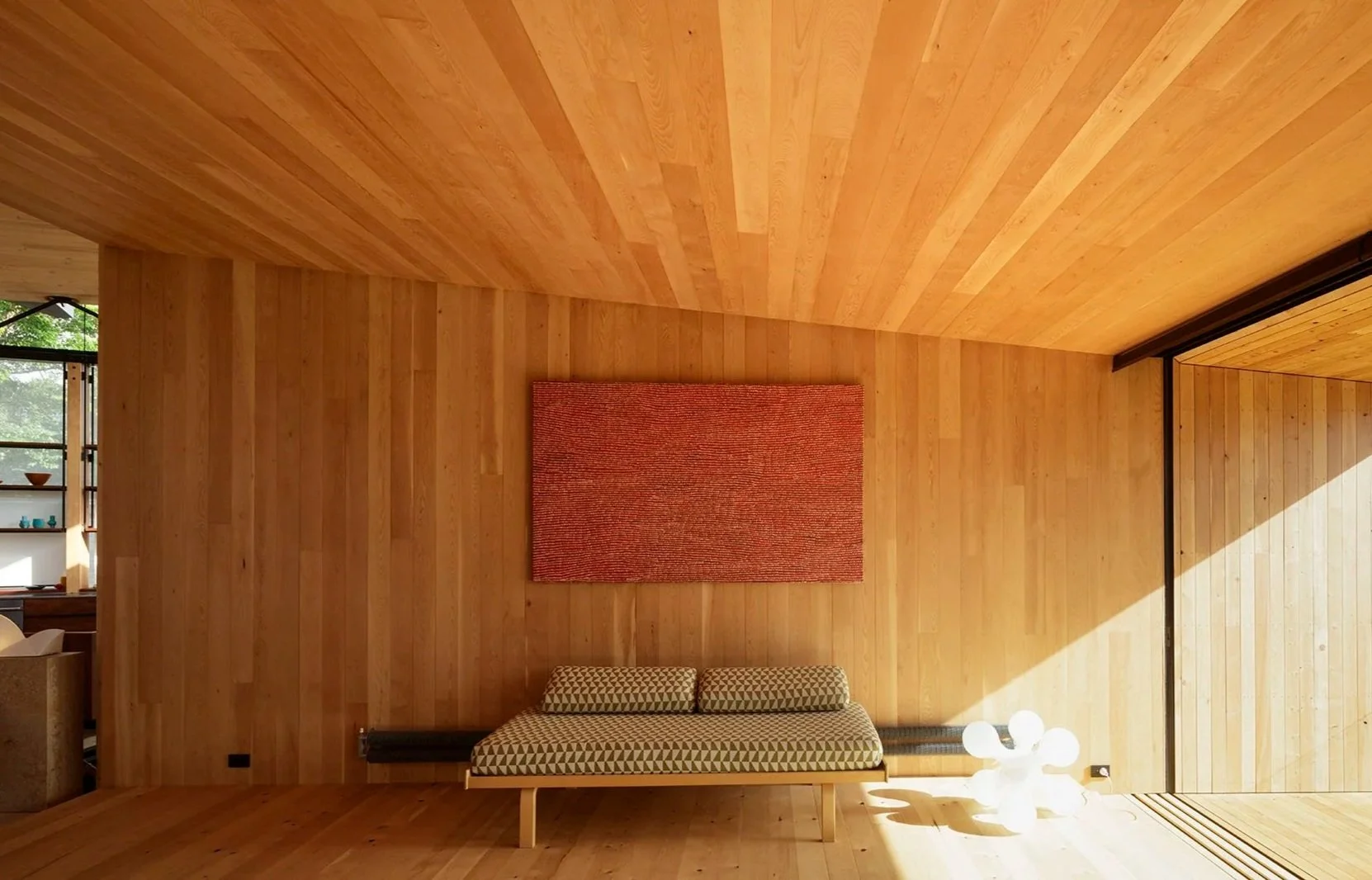
Why Australian Timbers Remain Popular
Australian timbers are valued for their durability, beauty and diversity.
From pale blondes and soft creams to rich reds and deep browns, Australia's native timber species offer an enormous range of colours, textures and grain patterns. Many are also prized for their strength, stability and ability to create spaces that feel warm and connected to nature.
Timber also has an enduring appeal because no two boards are ever identical. Grain variation, figuring and subtle changes in tone create spaces with depth and character that cannot be replicated by manufactured products.
This individuality is one reason timber continues to be specified in residential and commercial projects throughout Australia.
Types of Australian Timber
Australia is home to a remarkable variety of timber species, each with its own appearance and characteristics.
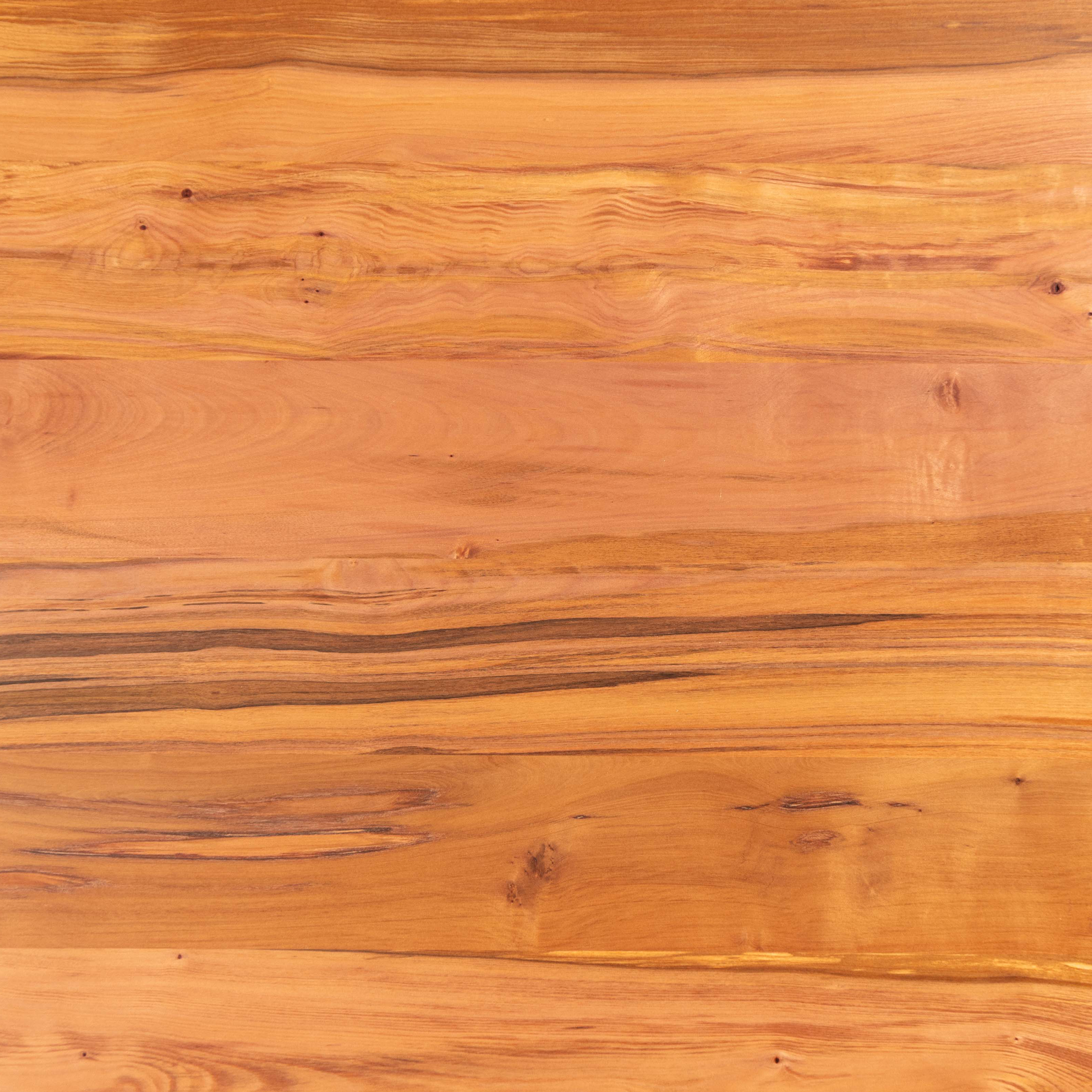
Tasmanian Myrtle
Tasmanian Myrtle is renowned for its rich red, pink and brown tones and highly distinctive grain patterns. It is commonly specified for flooring, feature walls, joinery and interior linings where warmth and character are desired.
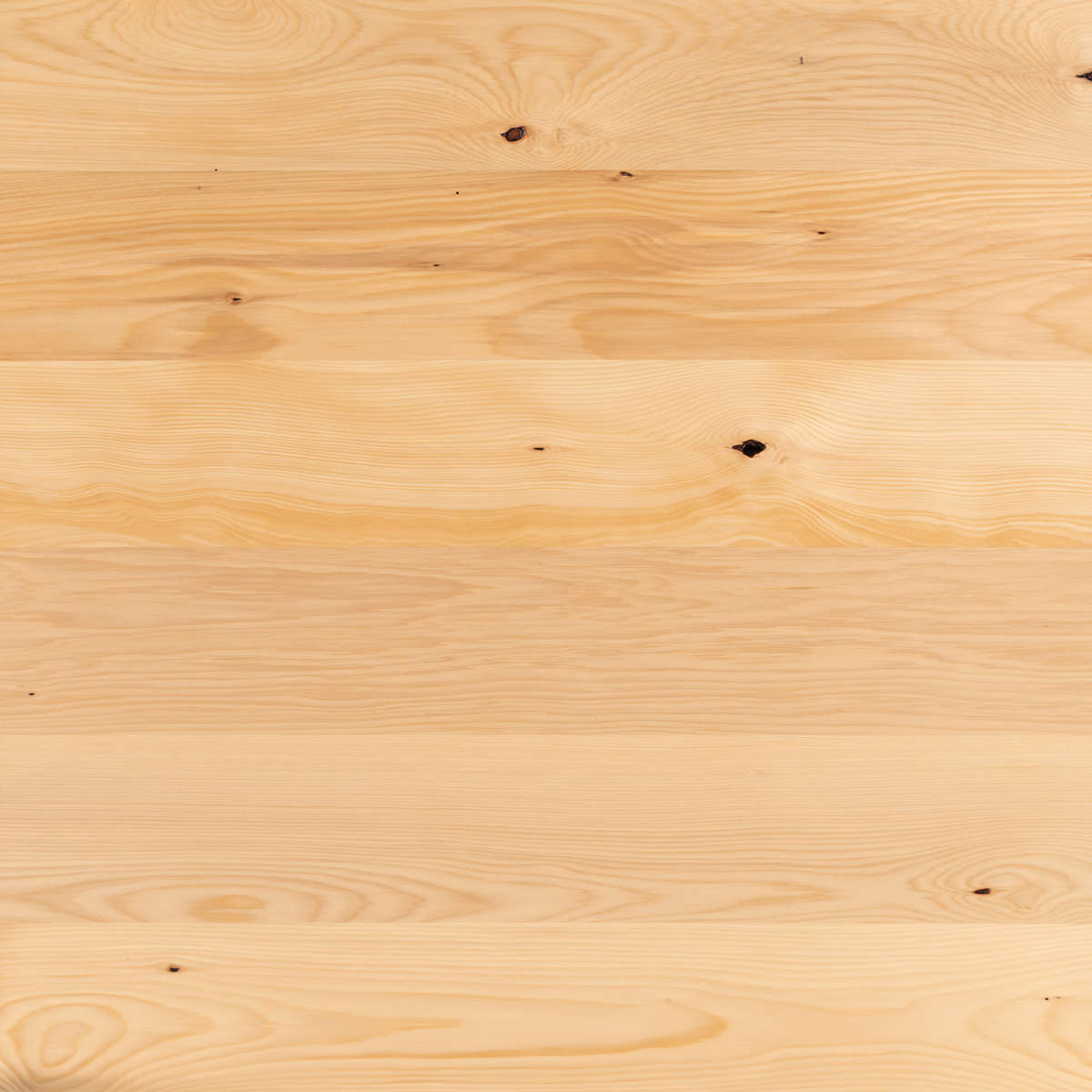
Celery Top Pine
A uniquely Tasmanian species, Celery Top Pine is highly regarded for its durability and beautiful golden colouring. It has long been favoured in boat building and is increasingly used for cladding, ceilings and architectural applications.
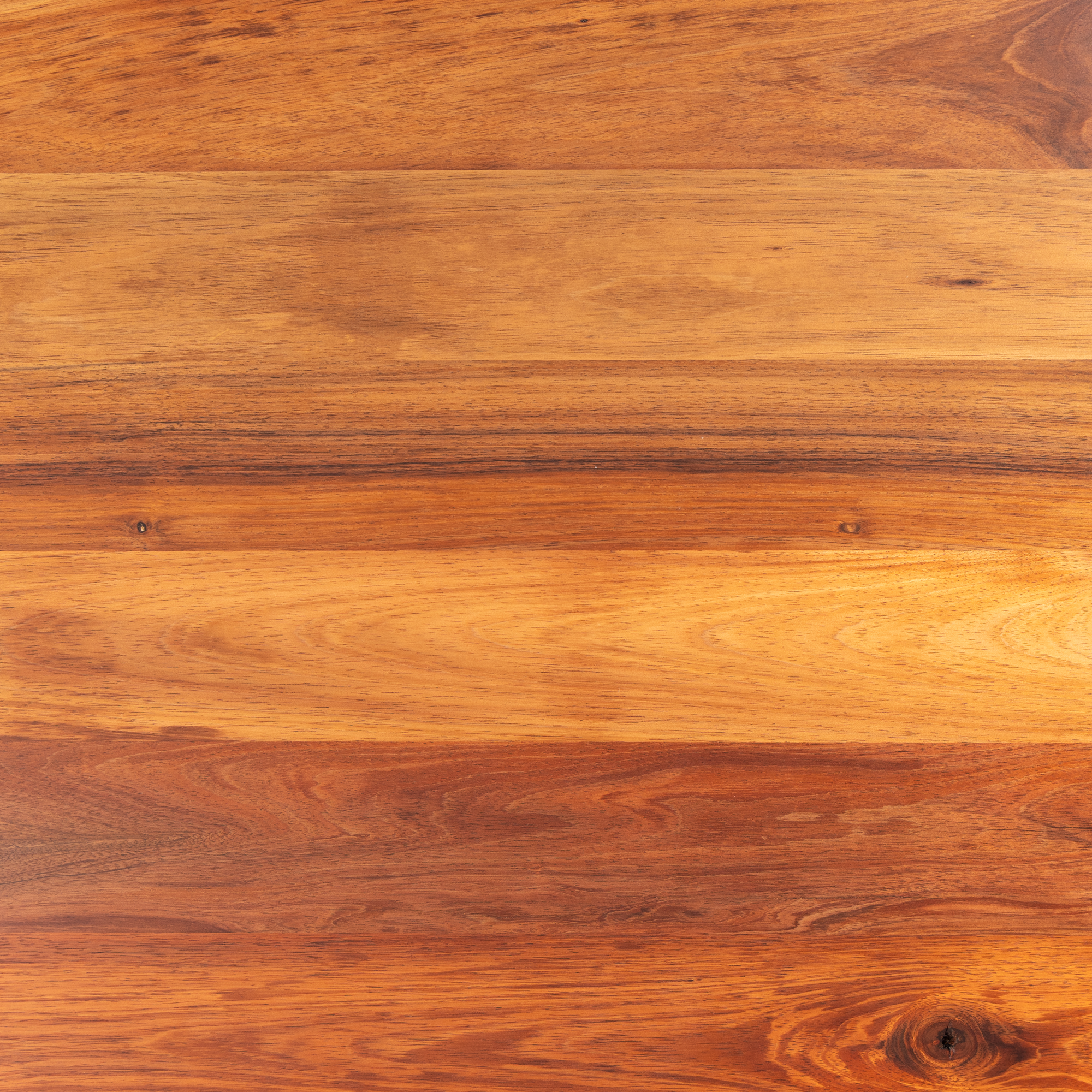
Blackwood
Australian Blackwood is prized for its deep brown colouring and striking figure. Often compared to walnut, it is widely used in premium furniture, joinery and high-end interior applications.
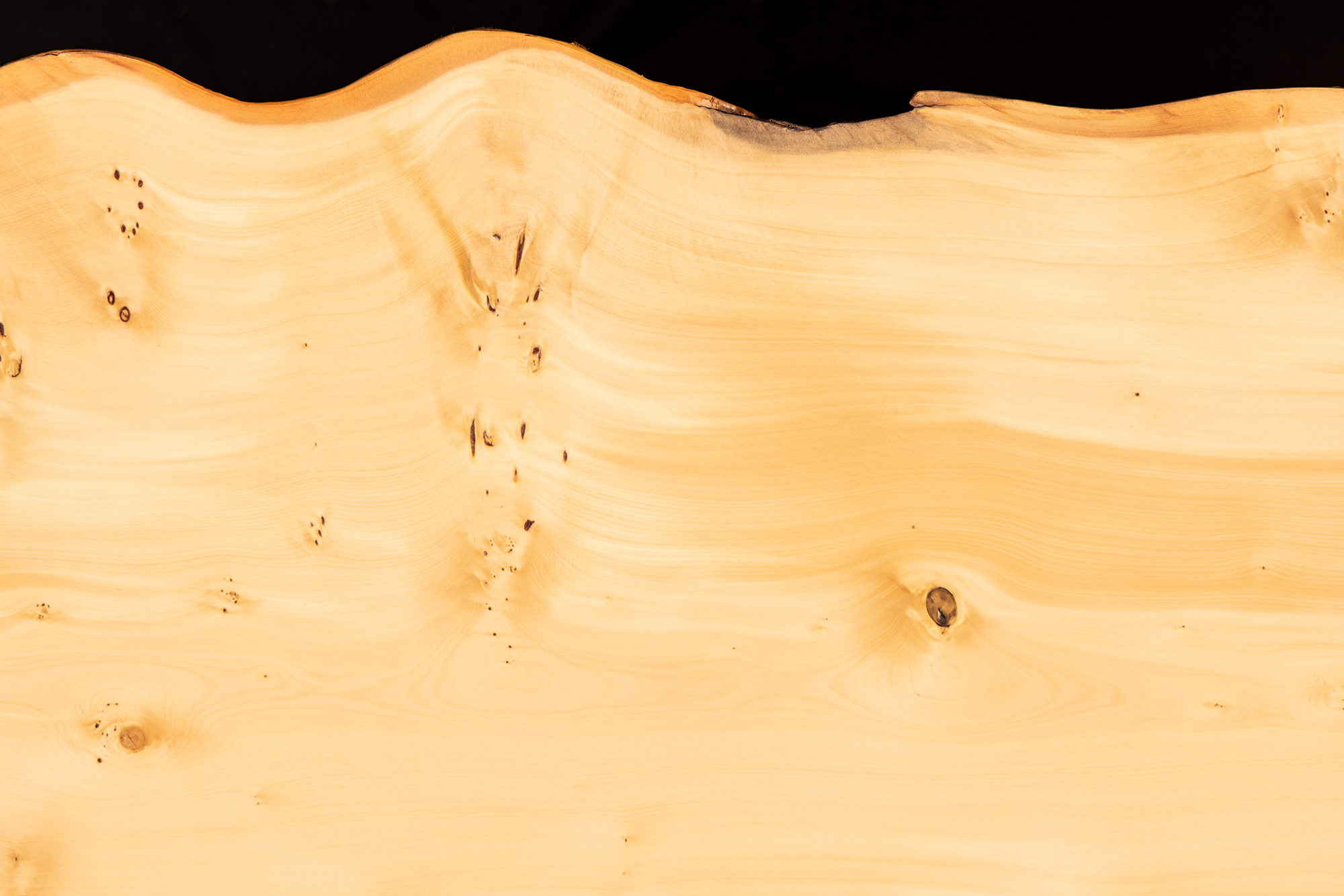
Huon Pine
One of Australia's most iconic specialty timbers, Huon Pine is known for its pale honey tones, fine grain and distinctive appearance. It has long been valued for fine furniture, boat building and decorative applications.
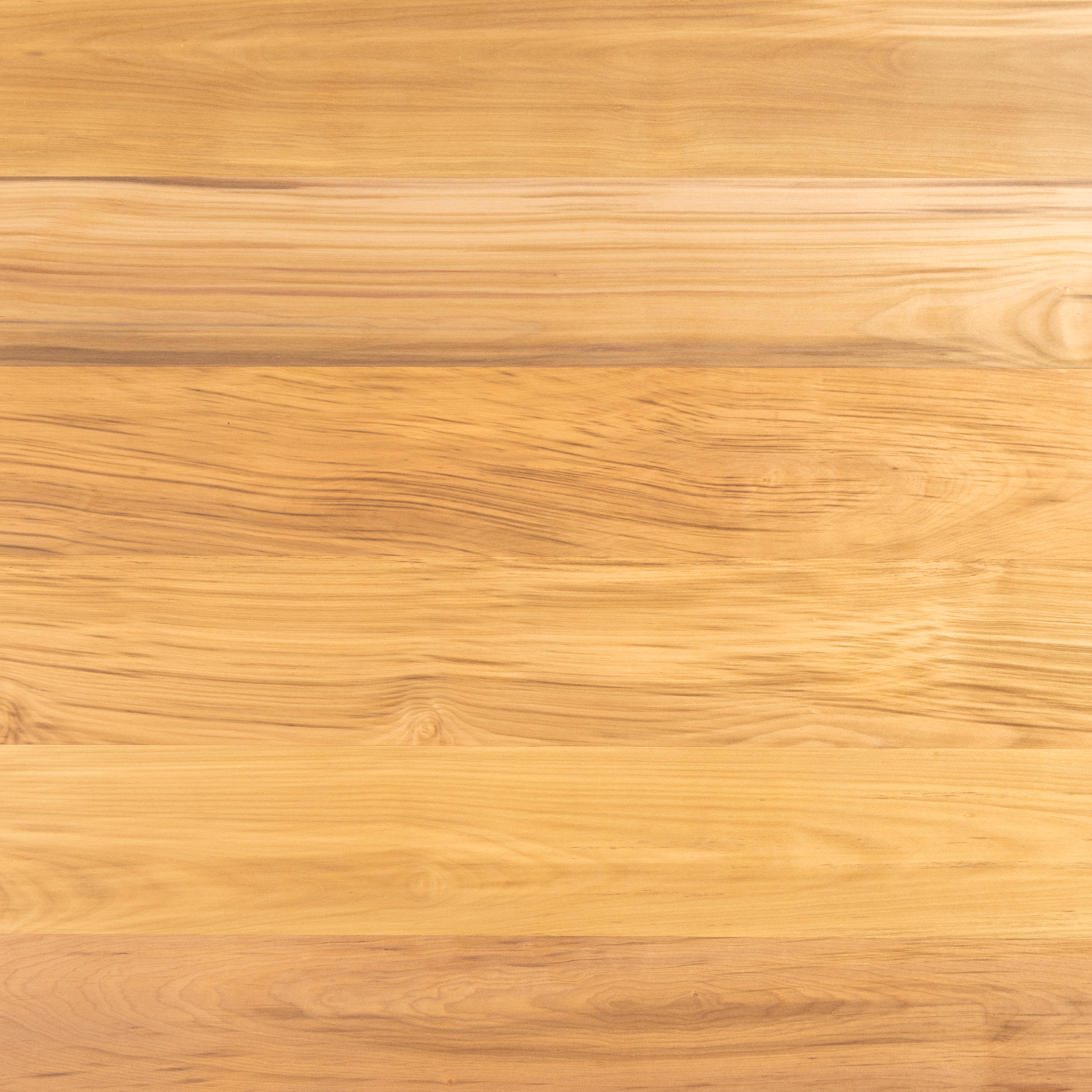
Sassafras
Sassafras features warm golden and olive tones with unique grain patterns. It is often selected for bespoke joinery and feature applications where individuality is celebrated.
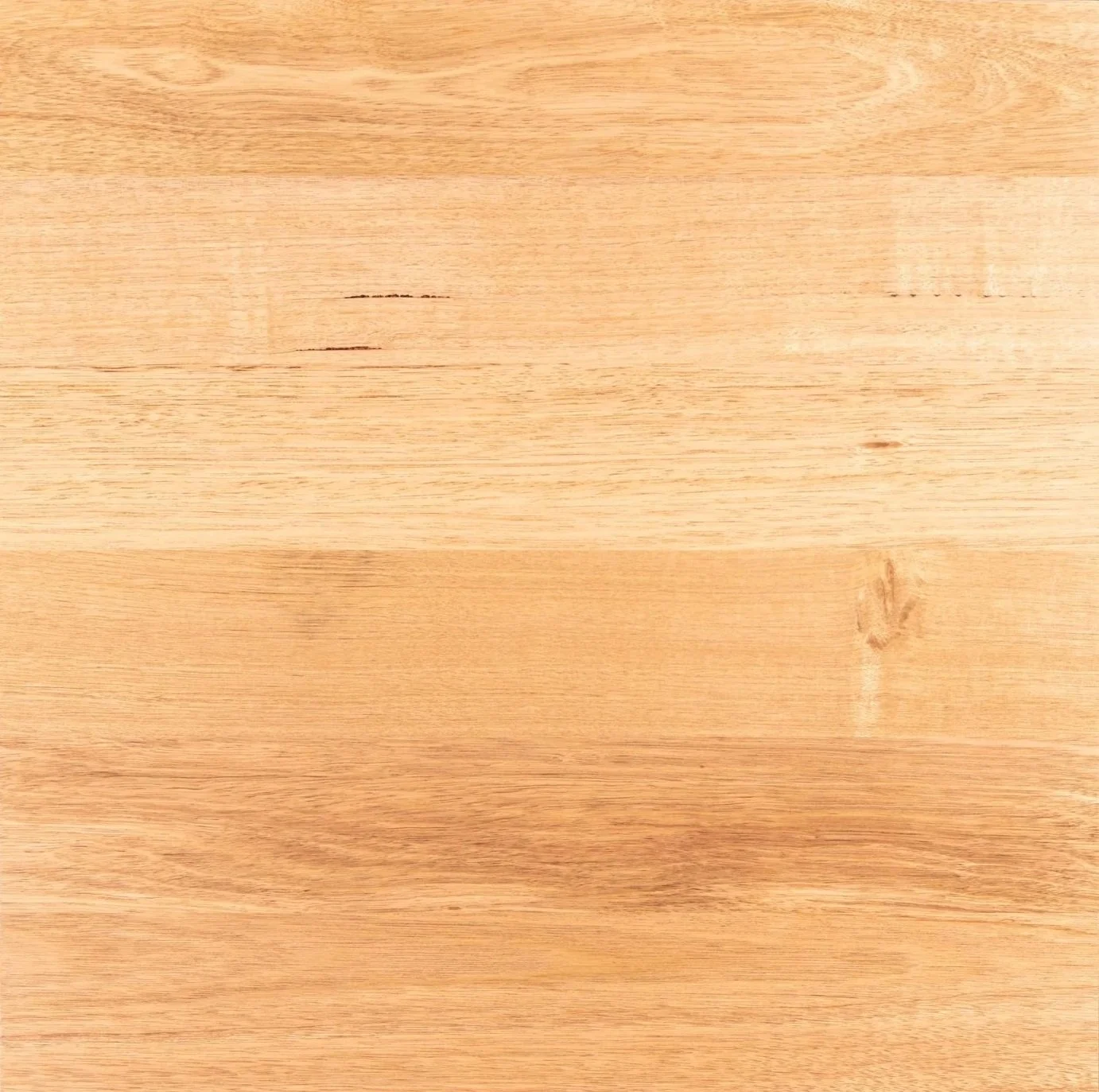
HYDROWOOD Oak
Tasmanian Oak remains one of Australia's most popular timber species thanks to its versatility and appearance. It is widely used for flooring, stairs, wall linings and joinery.
Hardwood Timber Versus Softwood Timber
One of the most common questions when selecting timber is the difference between hardwood and softwood.
Hardwoods generally come from broadleaf trees and are often chosen for their density, durability and distinctive appearance. Many Australian species fall into this category and are used in flooring, joinery and architectural applications.
Softwoods typically come from conifer species and are widely used in structural framing and general construction.
The right choice depends on the application, desired appearance and performance requirements of the project.
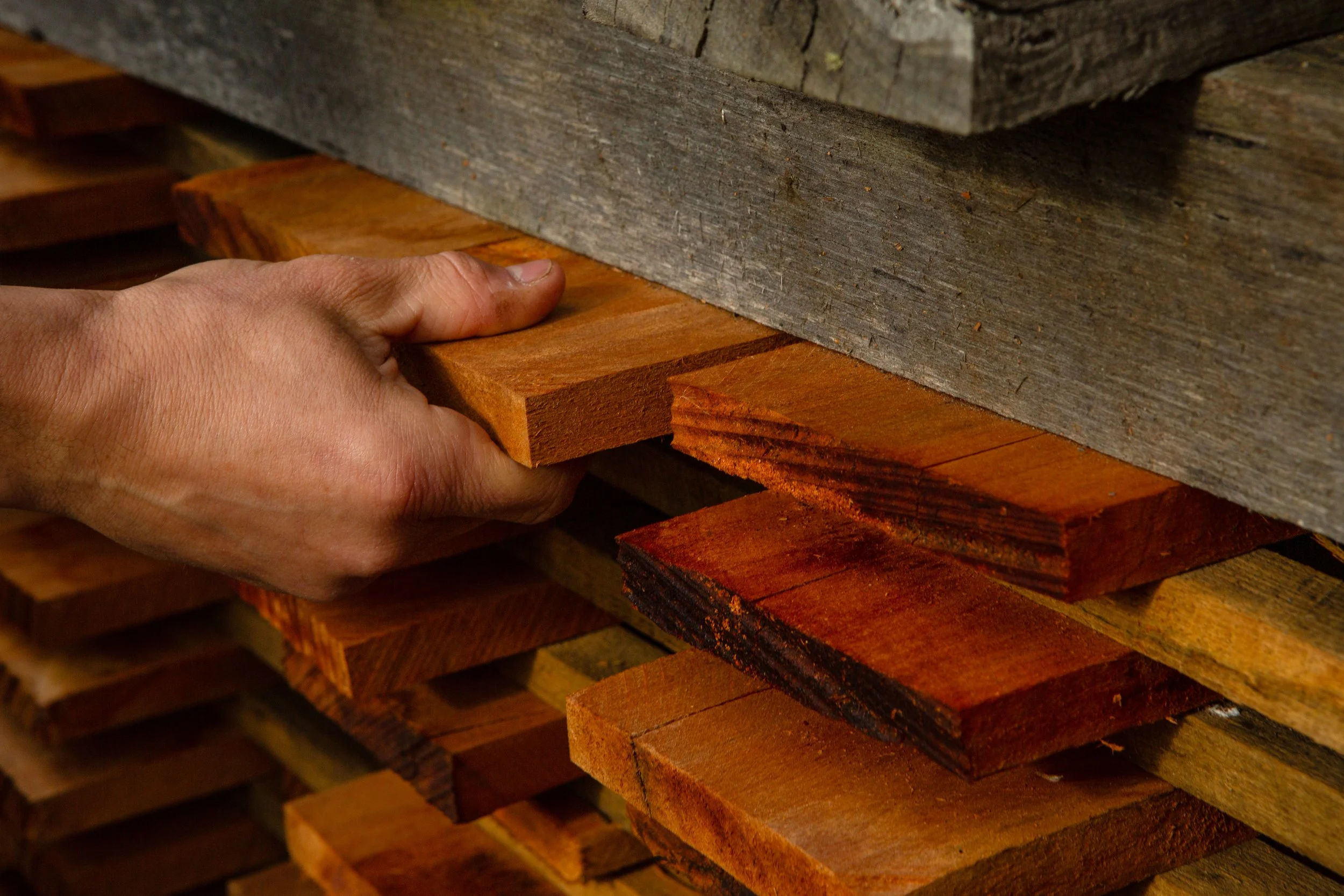
Hydrowood Myrtle timber seasoning in the stock yard in Tasmania.
Choosing Timber for Different Applications
Timber Flooring
Timber flooring remains one of the most popular choices for residential and commercial interiors. Natural timber flooring introduces warmth and texture while creating spaces that feel timeless and inviting.
Timber Cladding
Timber cladding offers a natural alternative to synthetic exterior finishes and is increasingly being used indoors to create feature walls and ceilings with warmth and visual depth.
Timber Battens
Timber battens have become a defining feature of contemporary architecture. They can provide texture, rhythm and visual interest while creating a strong connection between built spaces and the natural environment.
Interior Linings and Joinery
Premium timber species are often specified for wall linings, ceilings and bespoke joinery where material authenticity is central to the design outcome.
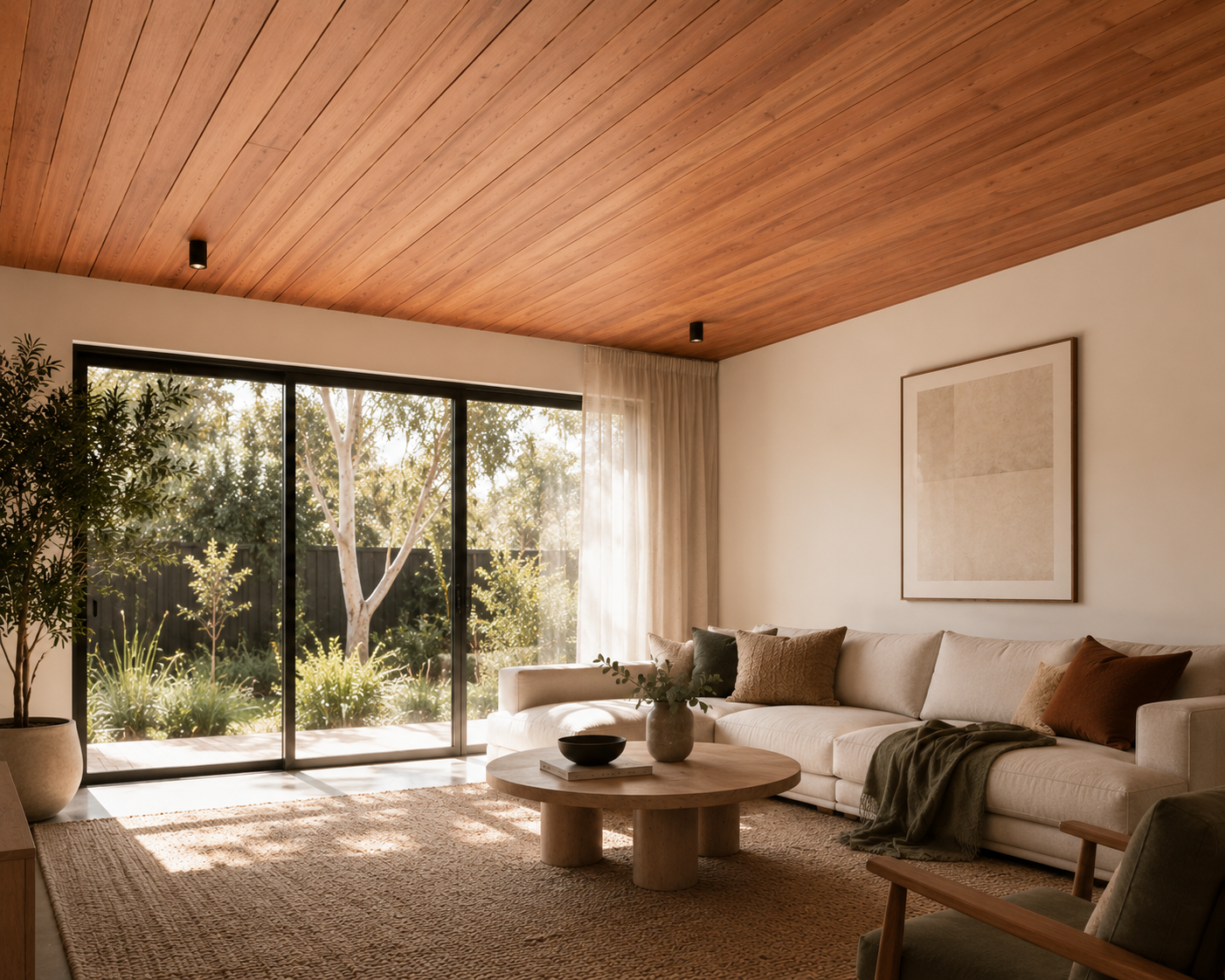
Myrtle VJ panelling can be used for ceilings to bring warmth and texture to a space.
Why Specialty Timbers Are Making a Comeback
There is growing appreciation for materials that feel authentic, distinctive and connected to place.
It is also becoming increasingly understood that natural elements used in interiors can improve mood, health and overall wellness.
A recent large-scale study by Pollinate revealed that when used in commercial interiors, visible wood and other biophilic design elements boost wellbeing, reduce sick leave and enhances productivity.
Rather than selecting products designed for uniformity, many designers are embracing specialty timbers because of their individuality. Knots, grain variation and tonal differences are increasingly viewed as features rather than imperfections.
This renewed appreciation for natural character has also fuelled interest in responsibly reclaimed timbers.
Responsibly reclaimed Australian timbers often possess unique colours, grain patterns and histories that cannot be replicated by manufactured alternatives.
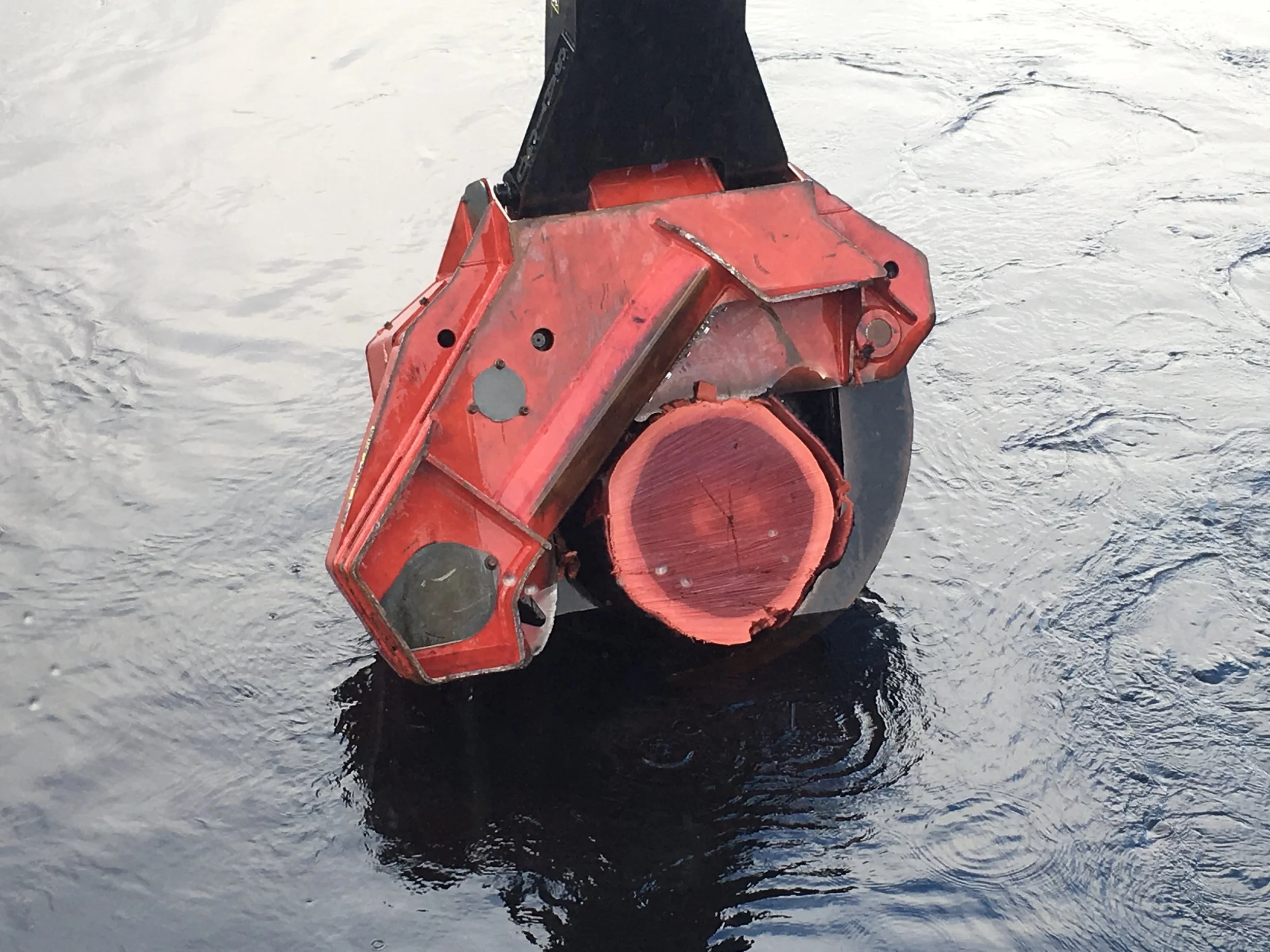
A myrtle log being recovered from Lake Pieman by Hydrowood.
A Different Way to Think About Timber
Timber has always been valued for its versatility and performance. Increasingly, however, it is also being chosen for something less tangible: character.
Whether used for flooring, cladding, battens or interior linings, specialty Australian timbers bring warmth, individuality and a sense of authenticity to a project.
When every board is different, the spaces created with them become different too.