
Why Tasmanian Oak Flooring Remains a Favourite and Why Hydrowood Oak Takes It Further
Tasmanian Oak has long been one of Australia’s most popular flooring timbers. Its light colour palette, consistent grain and proven durability have made it a go-to choice for residential and commercial interiors, particularly in modern, high-end design.
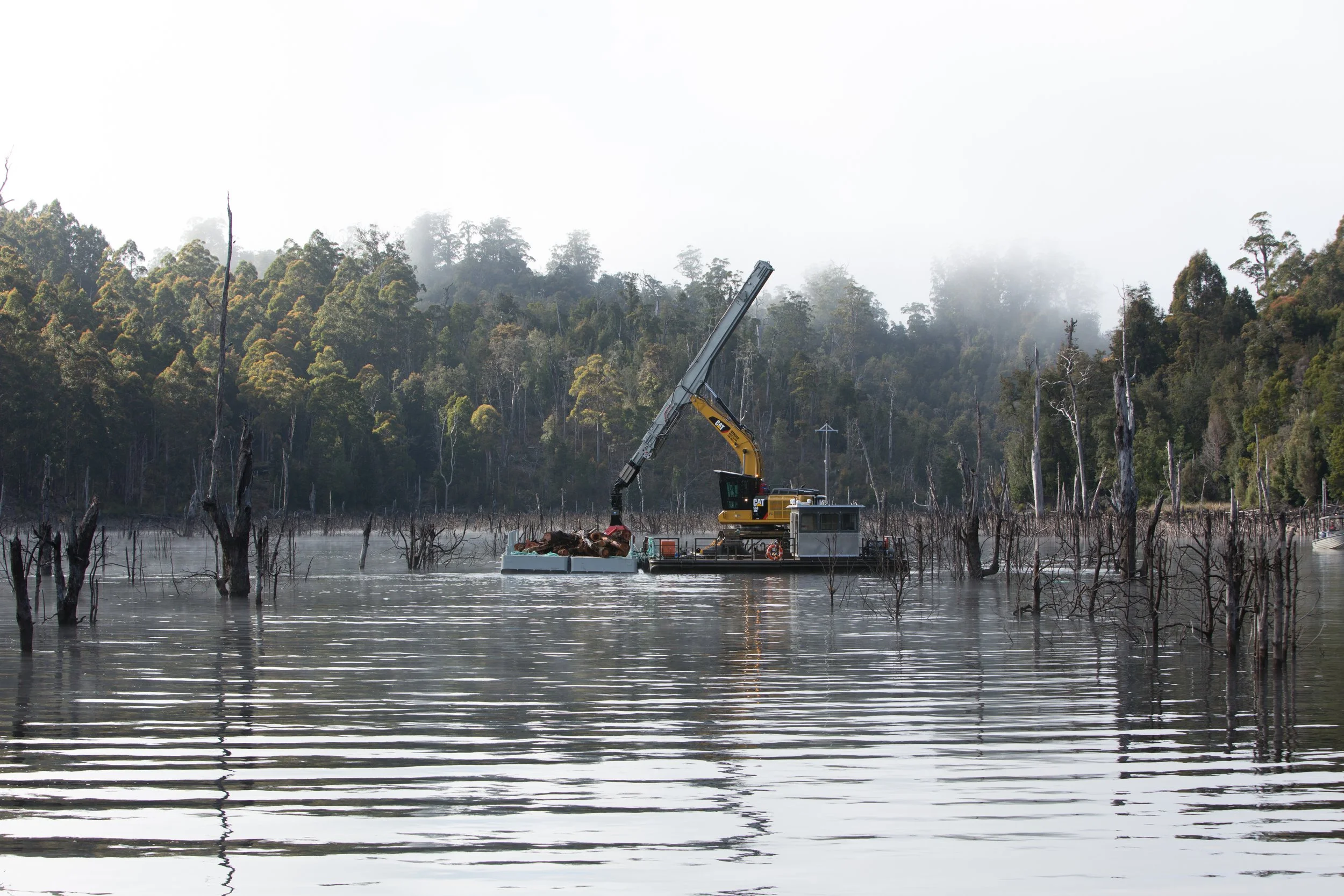
Hydrowood Oak is Tasmanian Oak flooring with added depth. Reclaimed from beneath the dark, cold waters of Lake Pieman on Tasmania’s west coast, Hydrowood Oak combines the trusted performance of Tasmanian Oak timber with certified sustainability, traceable provenance and a story unlike any other.
If you’re comparing oak flooring options for an upcoming build or specification, this guide walks through everything you need to know, from performance and appearance to longevity, care and value.

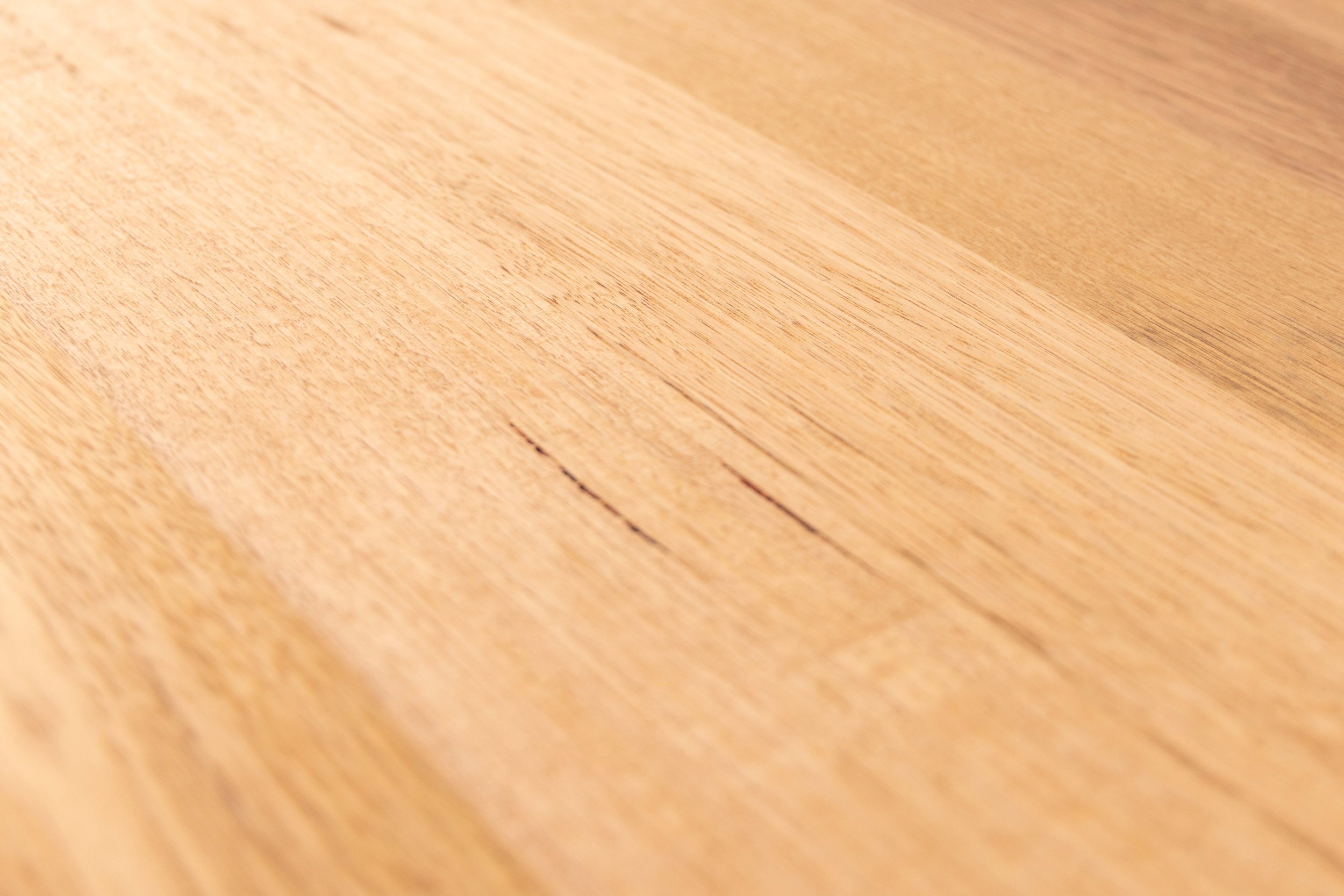
Hydrowood Oak.
Is Tasmanian Oak Good for Flooring?
Yes. Tasmanian Oak is widely regarded as an excellent flooring timber, which is why it has been specified in Australian homes for generations.
As a Tasmanian hardwood, it offers a strong balance of durability, workability and aesthetic appeal. It performs well under foot traffic, accepts finishes beautifully and suits a wide range of interior styles, from minimalist contemporary homes to layered, textural spaces.
For flooring, Tasmanian Oak timber is valued for:
Consistent performance across residential and commercial settings
A light, neutral base that complements many design palettes
Longevity when properly installed and maintained
Hydrowood Oak retains all these benefits, with the added advantage of enhanced stability developed through decades of cold-water preservation.
Hydrowood oak wins Floor of the Year
The performance and aesthetic quality of Hydrowood Oak flooring has been recognised at the highest level of the Australian timber flooring industry.
A Hydrowood Oak timber floor was awarded Overall Floor of the Year at the Australasian Timber Flooring Association Awards for Excellence, one of the most respected industry awards for timber flooring craftsmanship and installation.
The floor, installed in the Lewisham Pod project and featured on Grand Designs Australia, also received awards for Recycled Solid Timber Floor of the Year and Avant Garde of the Year. These honours recognise both the material selection and the quality of its application within a highly considered architectural setting.
Judged by experienced flooring professionals, the ATFA Awards assess entries against criteria including material quality, installation standard, finish, design intent and overall execution. Recognition at this level reflects Hydrowood Oak’s suitability for premium architectural flooring where precision, stability and visual outcome are critical.
For architects and specifiers, the award provides independent confirmation that Hydrowood Oak performs not only as a sustainable material choice, but as a flooring timber capable of delivering exceptional results in complex, design-led projects.

What Is Tasmanian Oak (and Is It Really Oak)?
Despite its name, Tasmanian Oak is not a true oak. It is the collective name used for three Australian eucalypt species:
Eucalyptus regnans (Mountain Ash)
Eucalyptus obliqua (Messmate or Stringybark)
Eucalyptus delegatensis (Alpine Ash)
Early European settlers named these timbers “oak” due to their visual similarity to European oak species. Today, Tasmanian Oak wood is firmly established as a distinct and trusted Australian hardwood.
Important distinction:
Hydrowood Oak is Tasmanian Oak.
Not all Tasmanian Oak is Hydrowood Oak.
Hydrowood Oak refers specifically to Tasmanian Oak timber reclaimed from Lake Pieman, with verified provenance and sustainability credentials.
Tasmanian Oak Flooring: Colour, Grain and Natural Variation
One of the defining features of Tasmanian Oak flooring is its natural variation.
Colour
Tasmanian Oak colour ranges from pale straw and soft cream through to warm honey and light brown tones. Individual boards can vary naturally in tone and grain, giving the timber visual depth and character.
Grain
Tasmanian Oak typically exhibits a straight, even grain, with occasional feature figure depending on the source species, growth characteristics and method of cut. This consistency makes it well suited to wider boards and contemporary interior applications where a clean, cohesive appearance is desired.
Variation
Tasmanian Oak offers a clean, consistent base appearance, with gentle shifts in tone and grain reflecting its natural origin. These subtle differences introduce warmth and visual interest, while preserving the overall cohesion that makes the species so popular for contemporary floors and interiors.
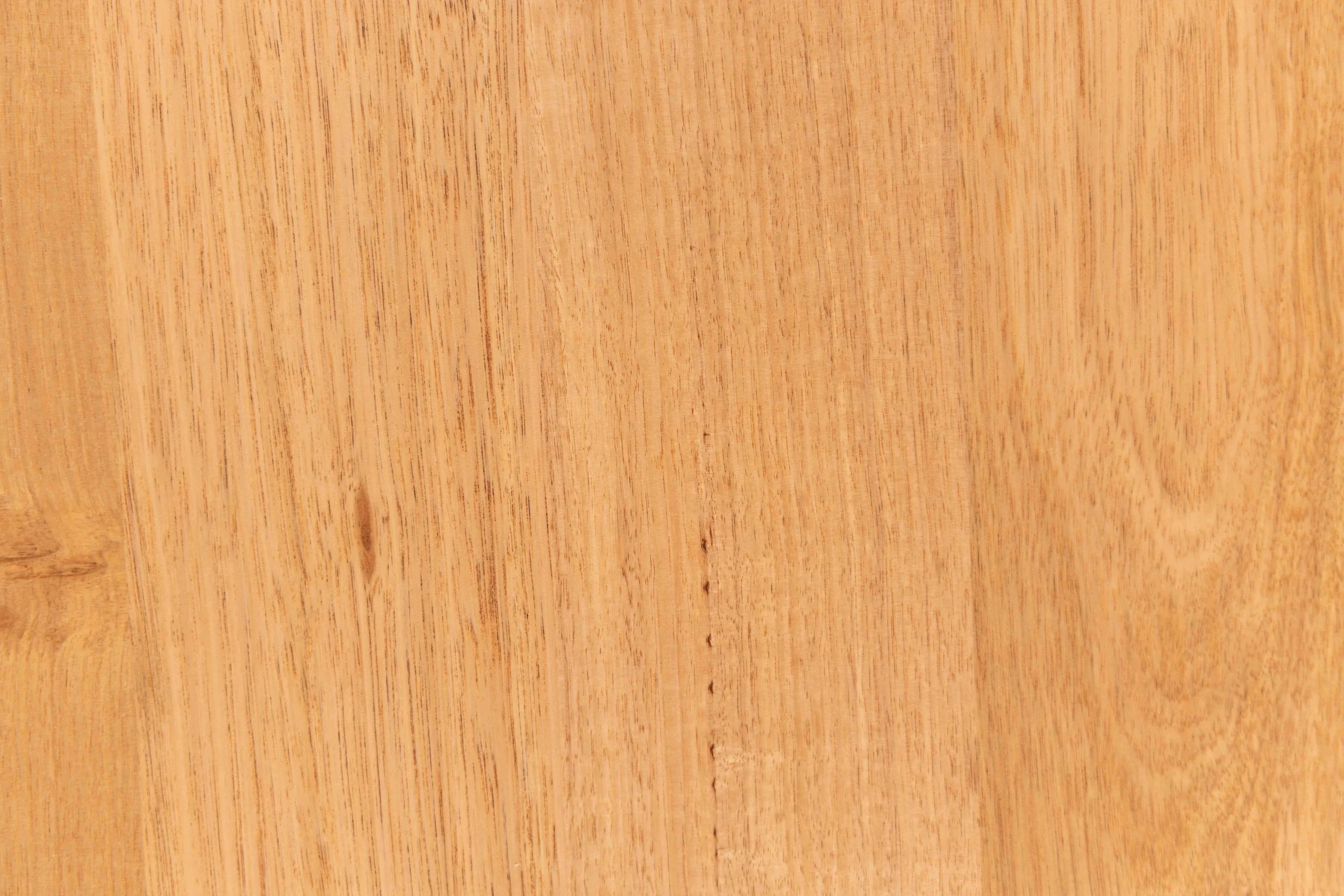
Hydrowood Oak.
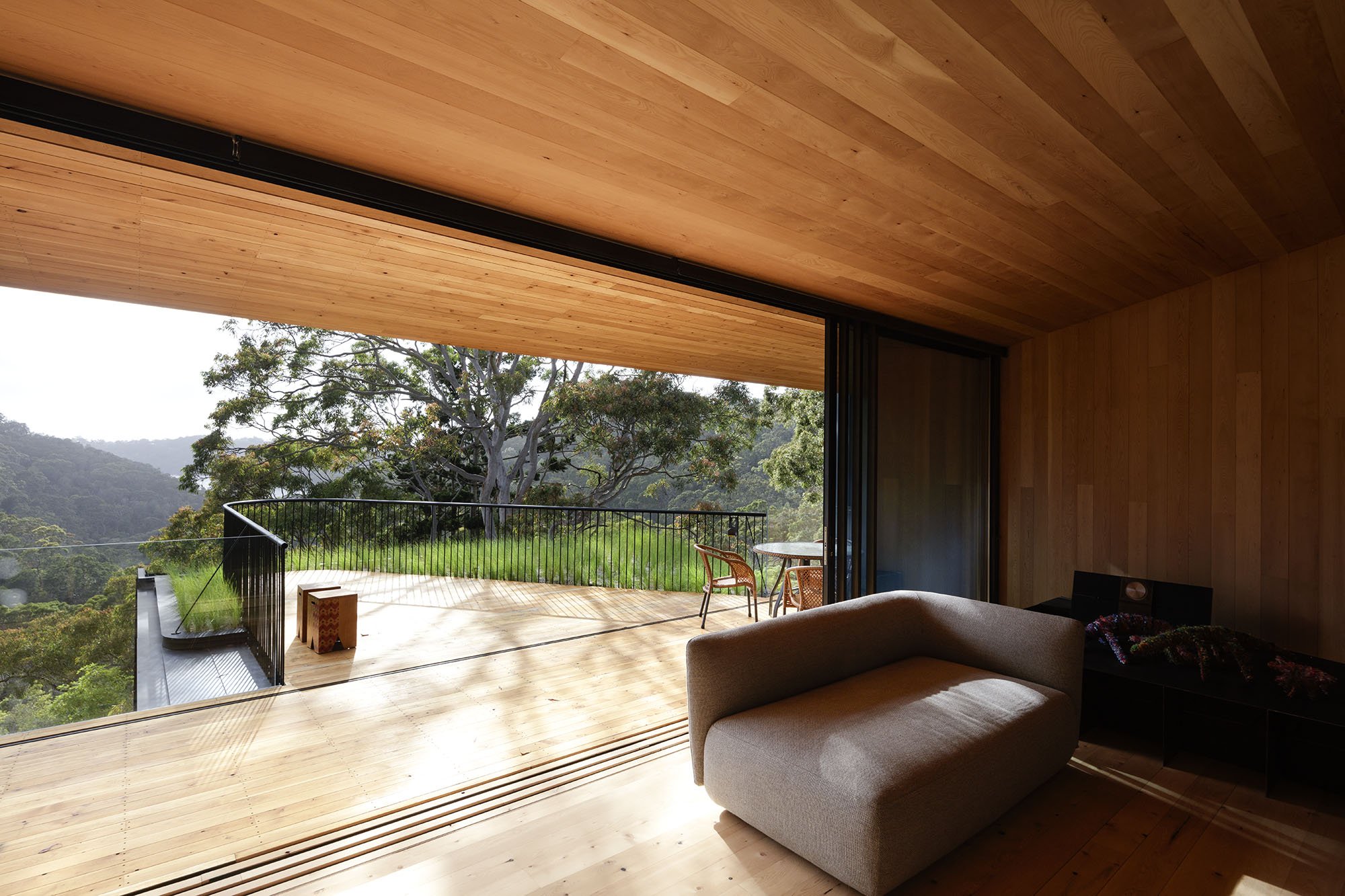
Hydrowood Oak flooring in the Cocoon House featured on Grand Designs Australia.
Will Tasmanian Oak Flooring Change Over Time?
Like most hardwood timbers, Tasmanian Oak can change subtly over time as it is exposed to light and air. Lighter tones may gradually warm or deepen, depending on factors such as UV exposure, finish type and how the floor is used.
One of the advantages of Tasmanian Oak flooring is that it can be refreshed. Solid and some engineered floors can be sanded and re-finished, allowing the surface to be renewed and the appearance adjusted as required over the life of the floor.
Hydrowood Oak behaves in line with the same material characteristics as Tasmanian Oak generally. Boards are supplied with natural variation in tone and grain, and their appearance over time will reflect site conditions, finishes and ongoing care rather than a fixed or guaranteed ageing outcome.
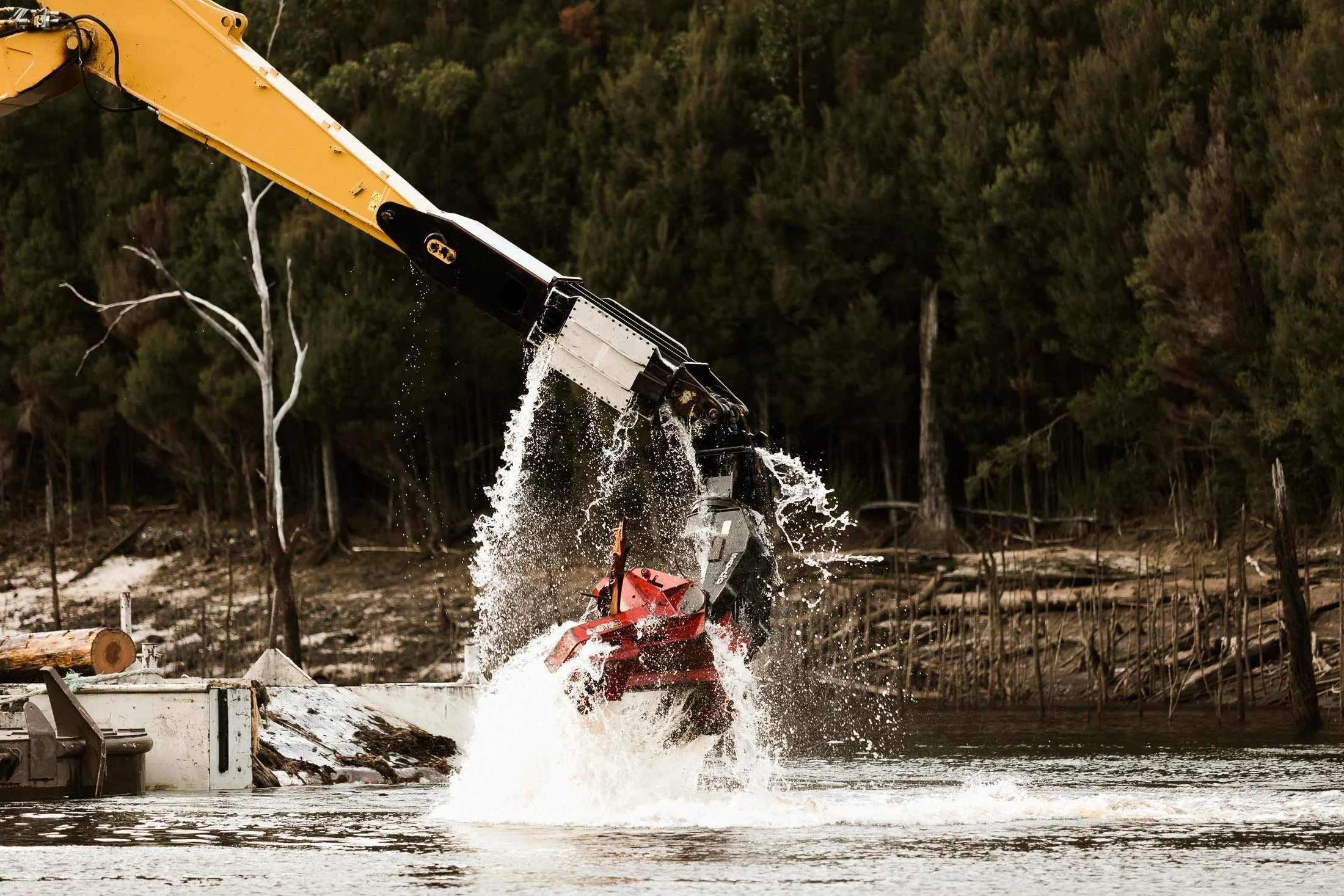
Hydrowood timber being harvested from Lake Pieman.
Care and Maintenance Tips for Tasmanian Oak Flooring
Use felt pads under furniture
Avoid prolonged moisture exposure
Clean with a damp mop and pH-neutral cleaner
Recoat finishes as recommended over time
With basic care, Tasmanian Oak timber floors can last for generations.
Hydrowood Oak timber: frequently asked questions
Is Hydrowood Oak good for flooring?
Yes. It is one of Australia’s most widely specified hardwood flooring timbers.
Is Tasmanian Oak hardwood or softwood?
Hardwood.
What is another name for Tasmanian Oak?
Tasmanian Oak is often referred to as Tas Oak or Australian Oak timber.
Are There Any Disadvantages to Tasmanian Oak Flooring?
No flooring material is without trade-offs.
Potential considerations include:
Softer than some darker Australian hardwoods, meaning it may show dents in high-impact areas
Requires appropriate sealing and maintenance
Natural variation may not suit those seeking a uniform, engineered look
These characteristics are well understood and easily managed through thoughtful specification.
Does Tasmanian Oak vary in colour?
Yes. Colour and grain variation are natural characteristics.
Will the appearance change over time?
Yes. It will mellow and warm gradually.
Is Tasmanian Oak Flooring Good Value?
Tasmanian Oak flooring is considered a strong value option within Australian hardwoods, offering durability and design flexibility at a competitive price point.
Hydrowood Oak sits at the premium end of this category, reflecting:
Certified sustainability
Traceable provenance
Limited availability
Unique aesthetic qualities
For many architects and clients, these attributes justify the investment.
A Flooring Choice with Performance, Beauty and a Story
Tasmanian Oak has earned its reputation as one of Australia’s most reliable and versatile flooring timbers. Hydrowood Oak builds on that legacy, offering the same trusted performance with the added value of sustainability, provenance and visual depth.
For projects where material choice matters, Hydrowood Oak flooring delivers durability, natural beauty and a story worth telling.
Early material decisions shape the quality of the final space.
Getting the right advice upfront can make all the difference when specifying timber for high-end interiors.
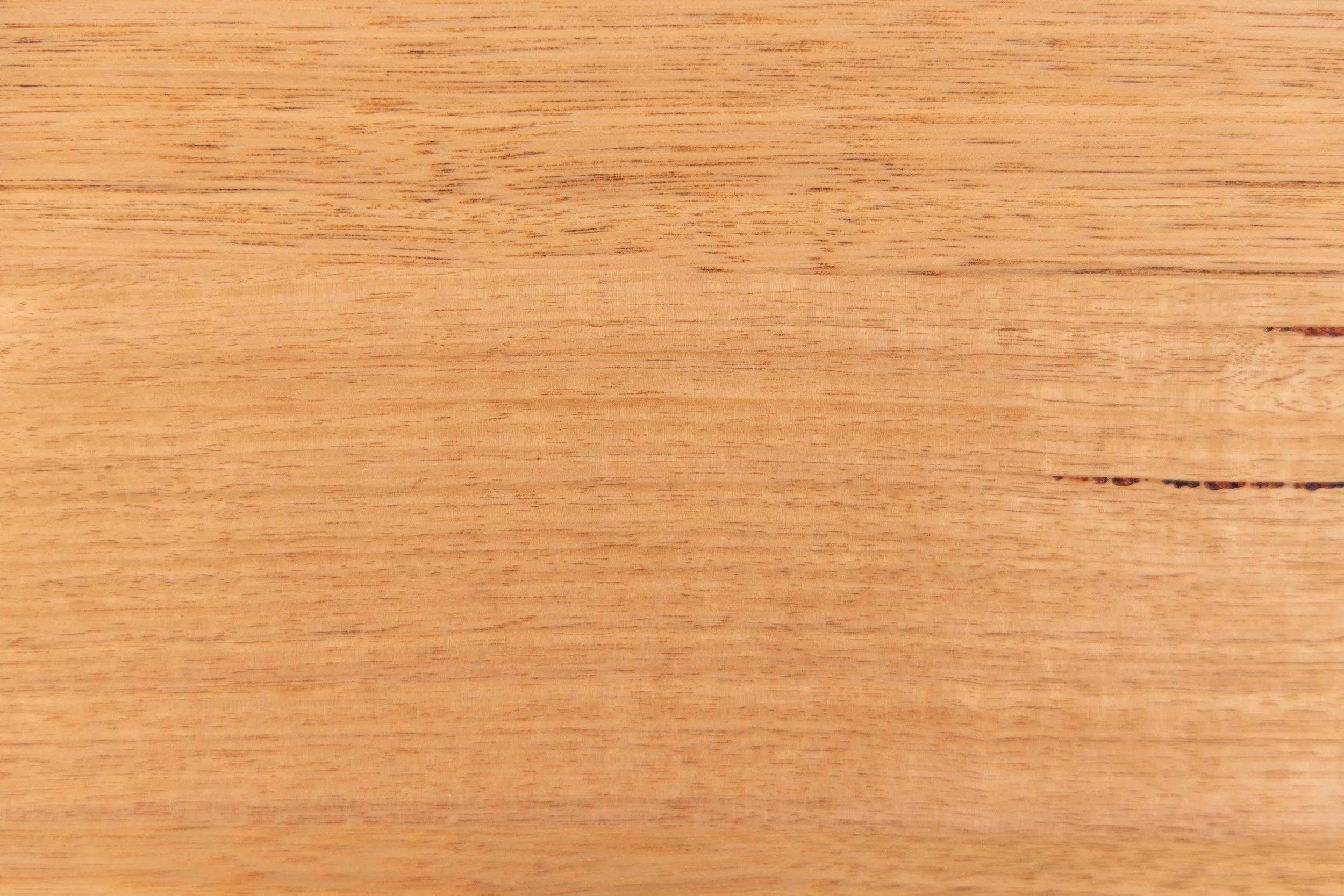
Hydrowood Oak timber.