
Why Myrtle belongs in your interiors shortlist
If you are shaping a high-end interior, material decisions will do more than “finish” a space. They will signal quality, longevity and taste. Tasmanian Myrtle is one of those rare timbers that can carry an interior on beauty alone, but it also delivers the workability and performance designers and builders need to execute details cleanly and with confidence.
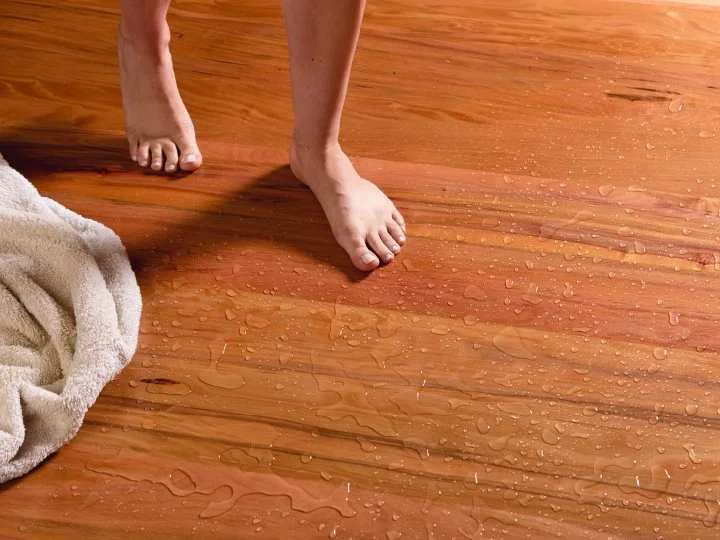
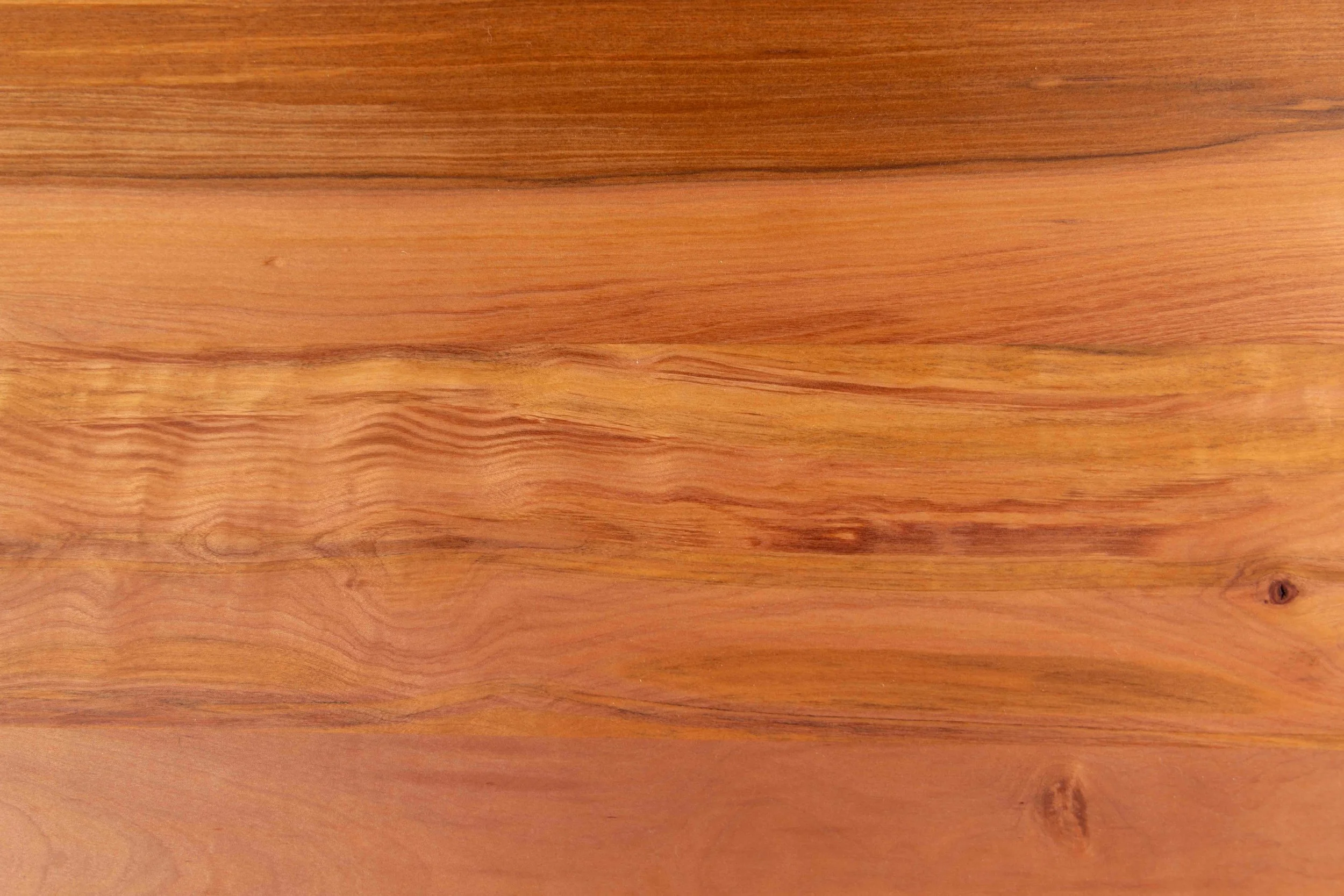
What does Tasmanian Myrtle look like in interior applications?
Myrtle is prized for its colour range. It can move from soft pinks through warm reds to deeper red-browns, often with subtle variation that feels natural rather than busy. In practical terms, this gives architects and interior designers flexibility. Myrtle can lift a minimal palette with warmth, or deepen a darker, more dramatic scheme without feeling heavy.
The grain is typically fine and even, and select boards can display striking figure such as fiddleback. That combination of calm grain with occasional feature figure is exactly what makes Myrtle so useful in sophisticated interiors. You can specify it broadly for continuity, then spotlight it in moments that deserve attention.
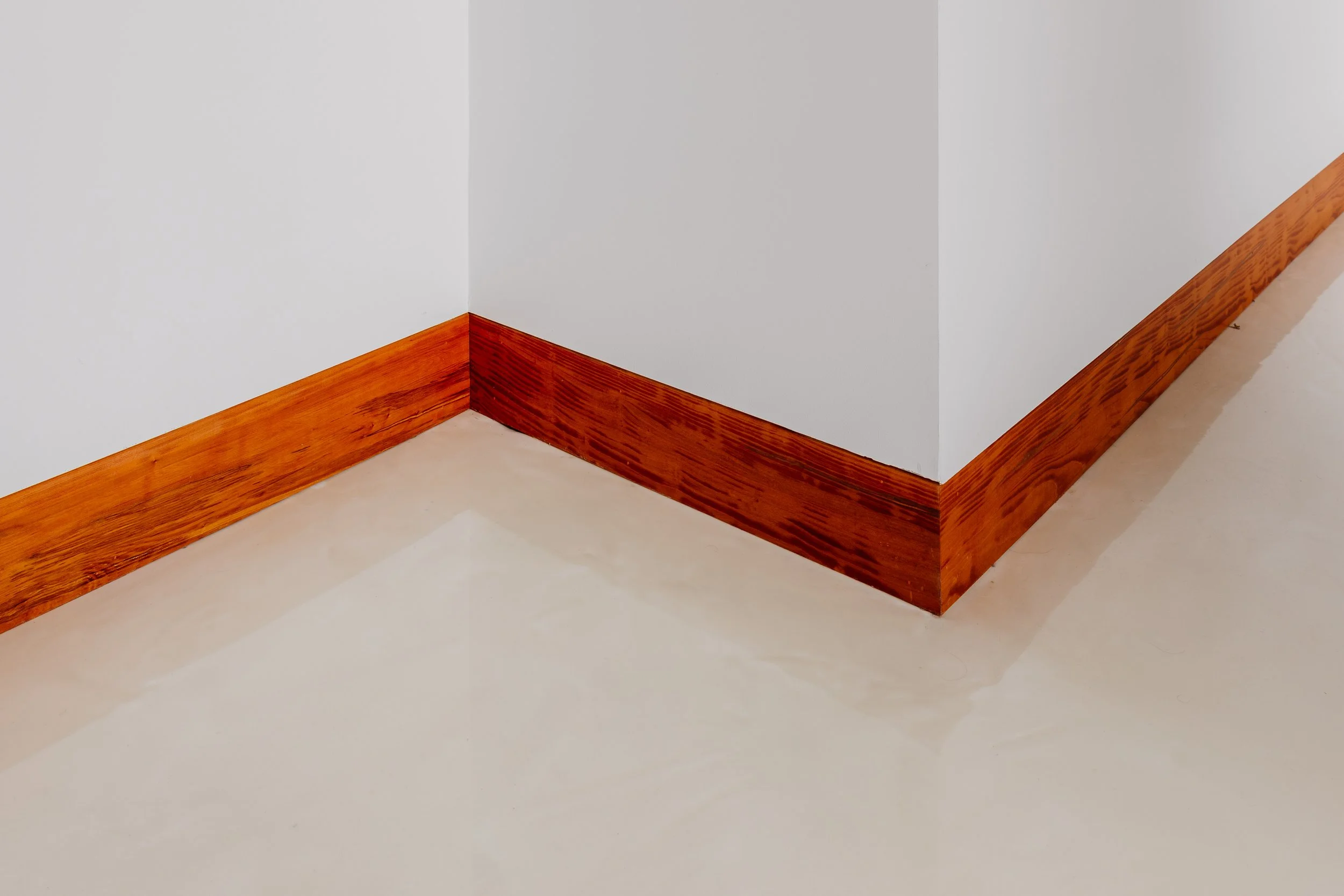
What makes Myrtle timber ideal for high-quality joinery and finishes?
Myrtle is widely recognised as an excellent finishing timber. It takes a deep lustre when polished and is commonly used for high-quality joinery, cabinetry, feature panelling and interior detailing like architraves and skirting.
This matters for premium projects because it supports crisp junctions and refined surfaces. Myrtle’s fine texture helps you achieve a smooth, consistent finish across wall linings, built-ins, and furniture components, which is often where “high-end” is won or lost.
What are the best interior applications for Myrtle timber?
Myrtle performs beautifully across common interior applications, including:
Flooring
Joinery
Furniture
Cabinetry
panelling.
This versatility is a major advantage in contemporary design, where architects are often aiming for material continuity. Myrtle can be specified across floors, wall linings and built elements to create material consistency, while natural variation in grain and colour keeps the interior visually layered.
For builders, that consistency simplifies procurement and sequencing. For designers, it creates a more resolved interior language.
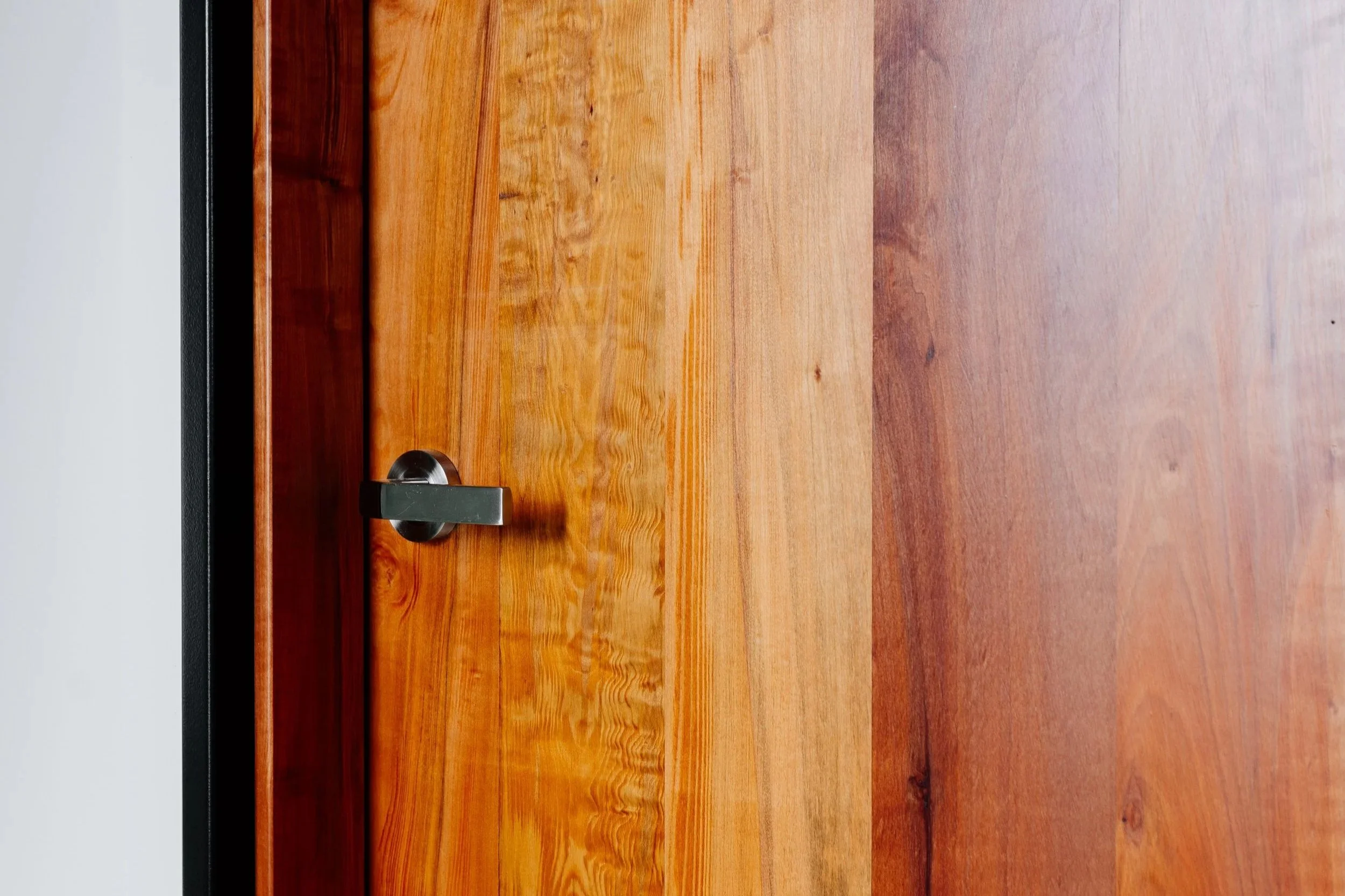
A myrtle timber door.
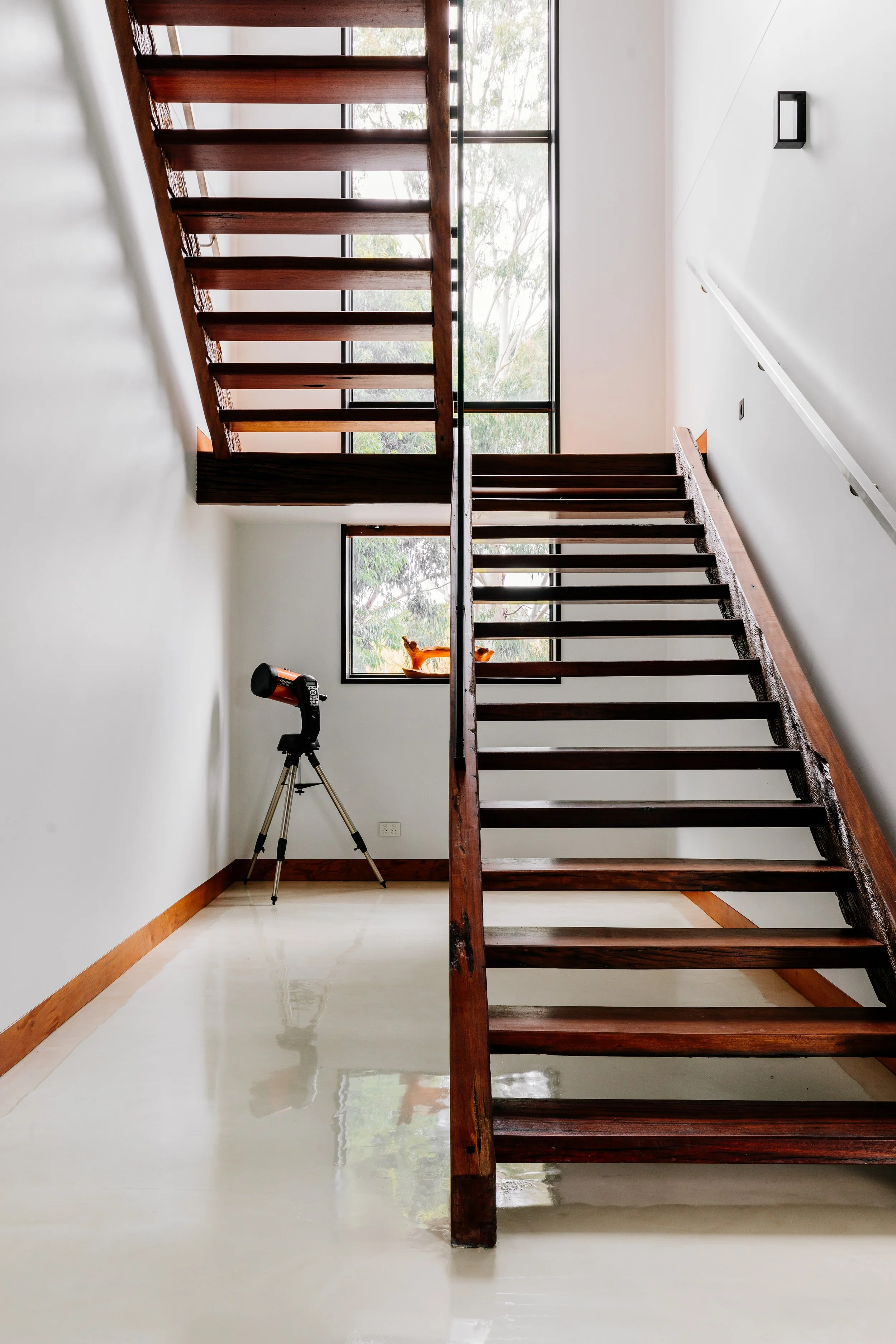
A staircase and skirting boards made from Hydrowood Tasmanian Myrtle timber.
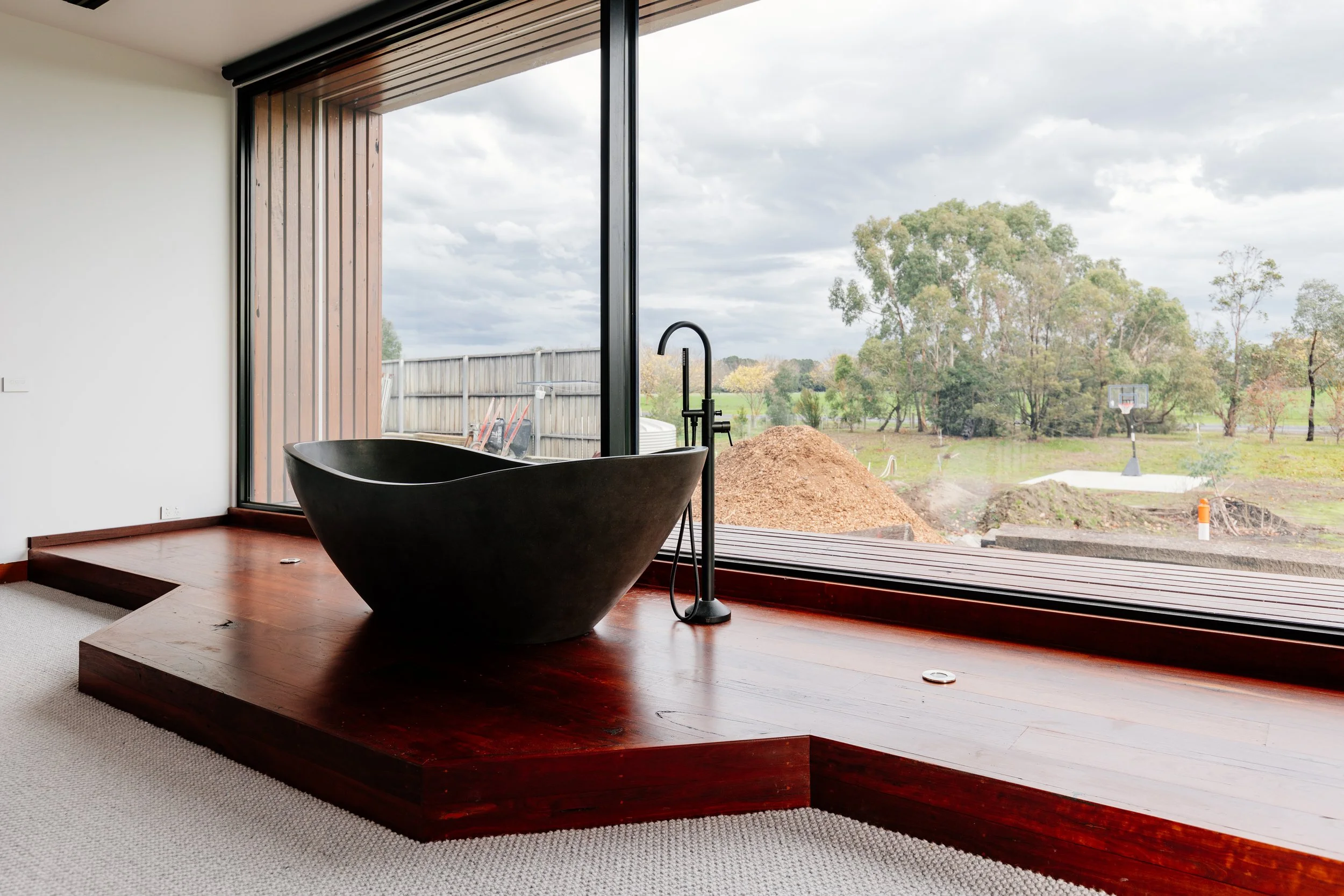
A Myrtle bath platform.

A myrtle timber coffee table featured at Freycinet Lodge.
Is Myrtle timber durable enough for interior use?
Myrtle is ideally suited to interior architectural applications, where it delivers long-term performance alongside exceptional visual quality. It is not generally recommended for exterior exposure. Used in controlled internal environments, it supports durable, high-finish outcomes across joinery, flooring and feature elements.
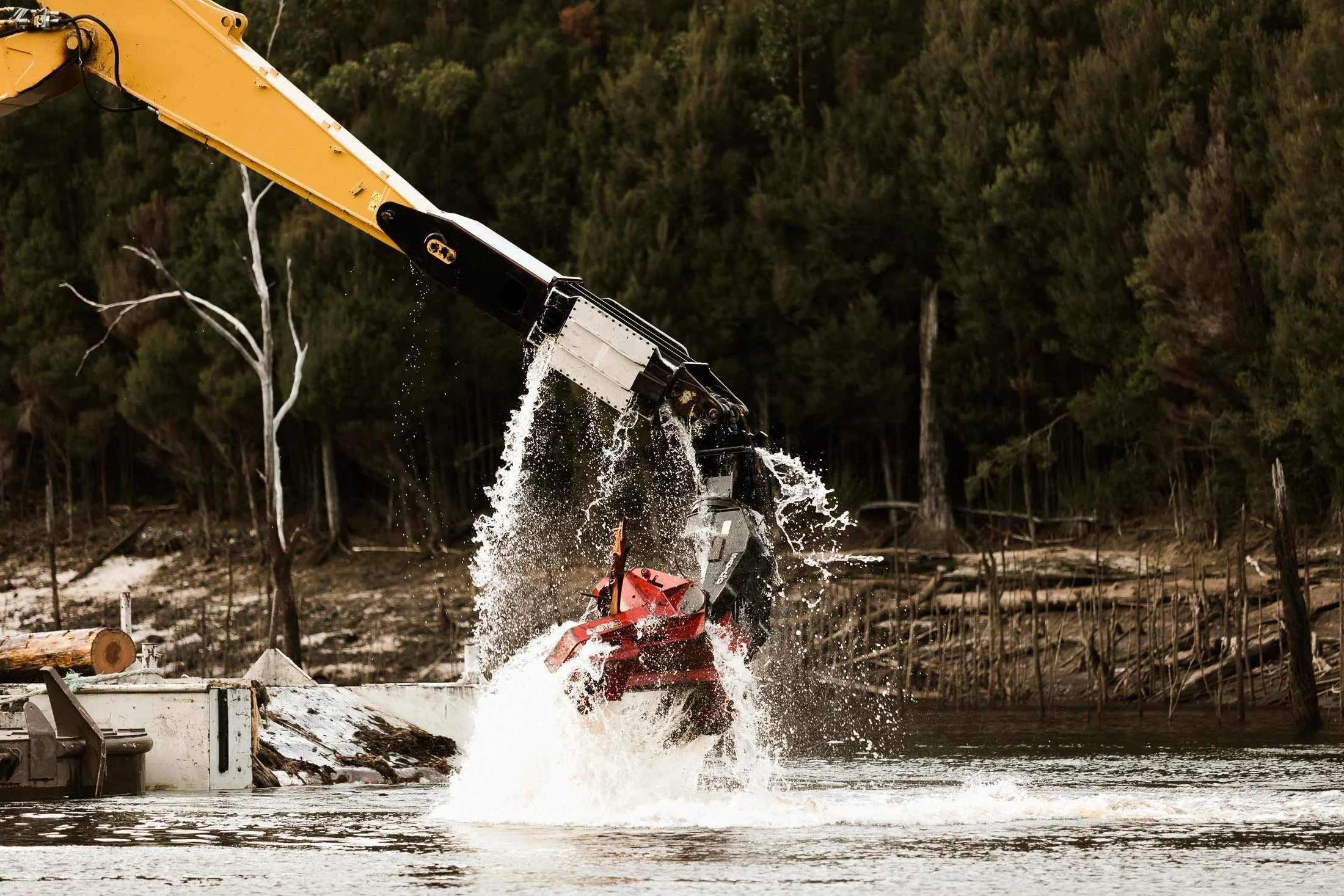
Hydrowood myrtle timber being harvested from Lake Pieman.
Where does Hydrowood Myrtle come from and why provenance matters
In premium residential and commercial interiors, the story behind the material matters. Myrtle is a celebrated Tasmanian species, long valued by architects and makers for its colour richness and finish quality. When sourced responsibly, it becomes more than a design selection. It becomes a point of difference that clients remember.
If you are positioning a project as considered and elevated, Myrtle supports that narrative through its character and unmistakably Australian design identity.
Tasmanian Myrtle timber: frequently asked questions
What does Myrtle pair with?
Myrtle’s warmth and colour depth pair well with stone, concrete, metal and neutral palettes. Using contrast materials helps Myrtle read as intentional and premium rather than overwhelming.
What coating should I use on Myrtle?
Myrtle takes finishes exceptionally well, but the choice of coating has a real impact on longevity and appearance.
Hardwax oils and low-sheen clear finishes highlight grain and warmth but require periodic maintenance.
Durable clear lacquers or polyurethane finishes offer greater protection in high-traffic or high-use areas.
What are the best applications for Myrtle?
Common uses include flooring, joinery, cabinetry, furniture and internal wall linings or panelling.
Does Myrtle have feature figure?
It can. Select boards may show figure such as fiddleback, and burls can also occur, which are highly sought after for feature work.
Is Myrtle a good choice for high-end interiors?
Yes. Its rich colour range, fine grain and ability to take a premium finish make it a go-to for high-quality, bespoke joinery, cabinetry, feature panelling and furniture.
How long will Myrtle last?
One of Myrtle’s strengths is that it can be refinished rather than replaced. Scratches, wear and surface damage can often be sanded back and re-coated, extending the life of the timber significantly.
This makes Myrtle a smart choice for long-term interiors where patina is acceptable and even desirable.
Can Myrtle be used outdoors?
It is generally recommended for internal applications and is not typically specified for external exposure.
Is Tasmanian Myrtle a good choice for high-end interior projects?
Myrtle is sophisticated, warm and undeniably premium. It elevates interiors through colour depth and fine grain, and it rewards good detailing with a finish that reads quality from every angle.
For architects, designers and builders aiming for high-end outcomes, Myrtle is a smart, beautiful, defensible specification.
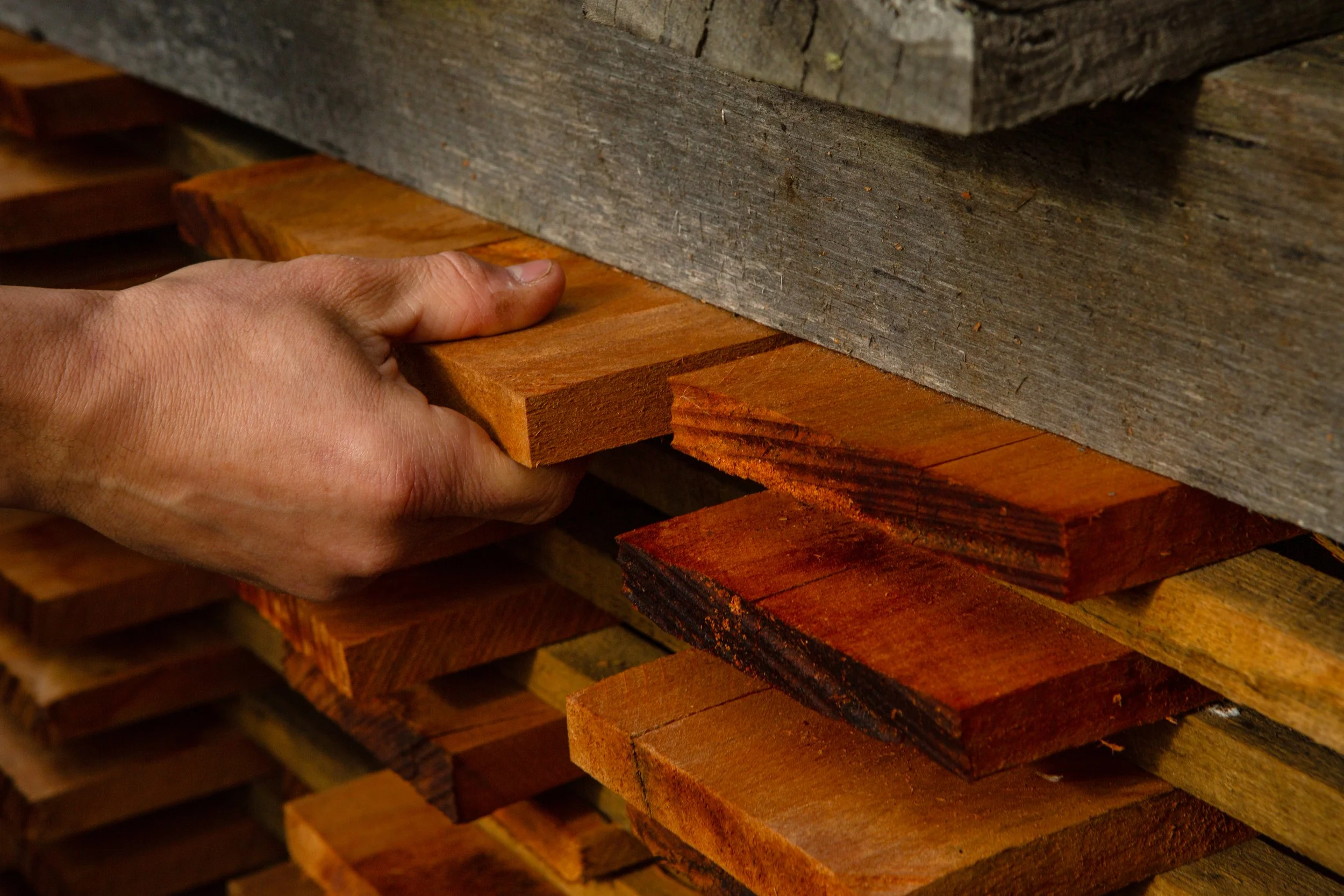
Hydrowood timber being seasoned in the yard.
Early material decisions shape the quality of the final space.
Getting the right advice upfront can make all the difference when specifying timber for high-end interiors.