
VJ Panelling: What It Is, Where to Use It and Why More Australians Are Choosing Natural Timber
VJ panelling has become one of Australia's most popular interior design features. From Hamptons homes and contemporary renovations to heritage restorations and commercial fit-outs, VJ panels are being used to add warmth, texture and character to walls and ceilings.
But what is VJ panelling? What materials is it made from? And how do you choose the right option for your project?
This guide answers the most common questions about VJ panelling and explores why premium timber products such as Hydrowood's Myrtle V-Joint are increasingly being specified for projects that demand authenticity, longevity and natural beauty.
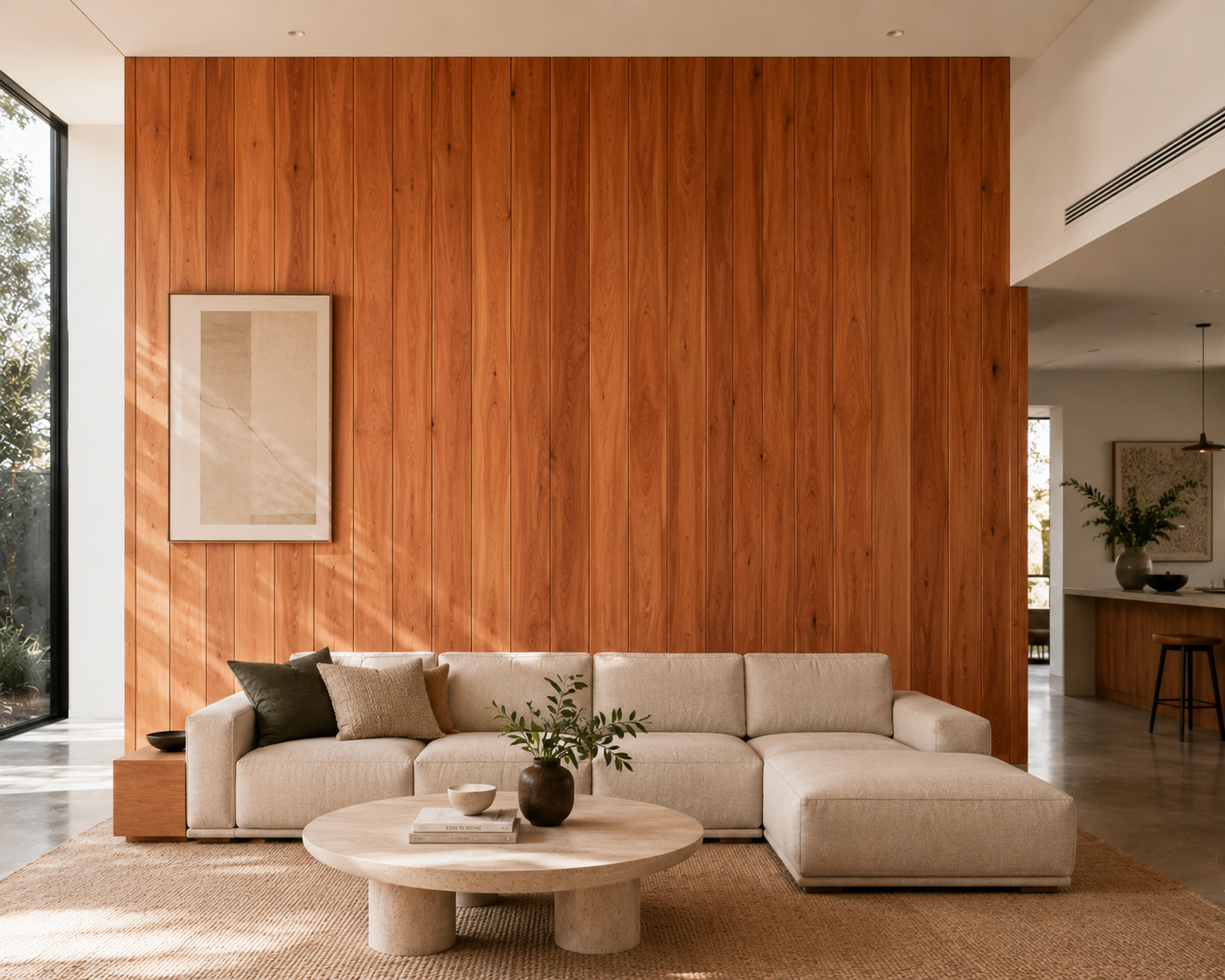
Myrtle timber VJ panelling makes for a beautiful and warm feature wall for modern and classic interiors.
What is VJ panelling?
VJ panelling is a decorative wall and ceiling lining made up of boards featuring a small V-shaped groove between each board. The groove creates shadow lines that add depth and visual interest to interior spaces.
Traditionally, VJ boards were installed as individual timber boards in Australian homes, particularly in Queensland and other warm climates. Today, VJ panelling is available in a range of materials and formats, including MDF, softwoods such as pine and premium hardwood timbers such as Tasmanian Myrtle.
Its timeless appearance means it suits both traditional and modern interiors.
Why is VJ panelling so popular?
While VJ lining boards have been part of Australian homes for more than a century, they experienced a significant resurgence in the late 2010s and early 2020s. The revival formed part of a broader global shift towards warmer, more tactile and character-filled interiors, with Australian homeowners rediscovering VJ as a way to introduce texture, craftsmanship and heritage detail into contemporary homes.
The trend can be attributed to several factors. Designers and homeowners began moving away from the stark minimalism and industrial-inspired aesthetics that dominated much of the 2010s. There was also a growing desire for homes with personality and permanence, while the pandemic prompted many people to rethink their living spaces as places of comfort and retreat. At the same time, platforms such as Instagram and Pinterest helped popularise design styles including Hamptons, contemporary coastal and modern farmhouse interiors, all of which readily embrace wall panelling and timber detailing.
The resurgence also coincided with the rise of the "newstalgia" movement between 2020 and 2023. Rather than replicating the past, newstalgia reinterprets heritage details for modern living, celebrating spaces that feel comforting, layered and personal.
Benefits of VJ panelling include:
Adding depth and architectural texture
Creating a timeless, considered finish
Working across both traditional and contemporary interiors
Being suitable for walls, half walls and ceilings
Introducing warmth and natural materials into a space
For many designers and homeowners, VJ panelling offers a simple way to elevate a room and create a more considered interior.
What materials are VJ panels made from?
Not all VJ panelling is created equal.
MDF VJ panels
MDF VJ panels are widely used because they are affordable and easy to install. They are commonly used for painted feature walls and decorative applications.
Pine VJ boards
Pine VJ boards can be stained or painted and are often chosen for traditional, coastal and Hamptons-style interiors because they offer natural warmth and character at a more accessible price point.
Solid Hardwood VJ panelling
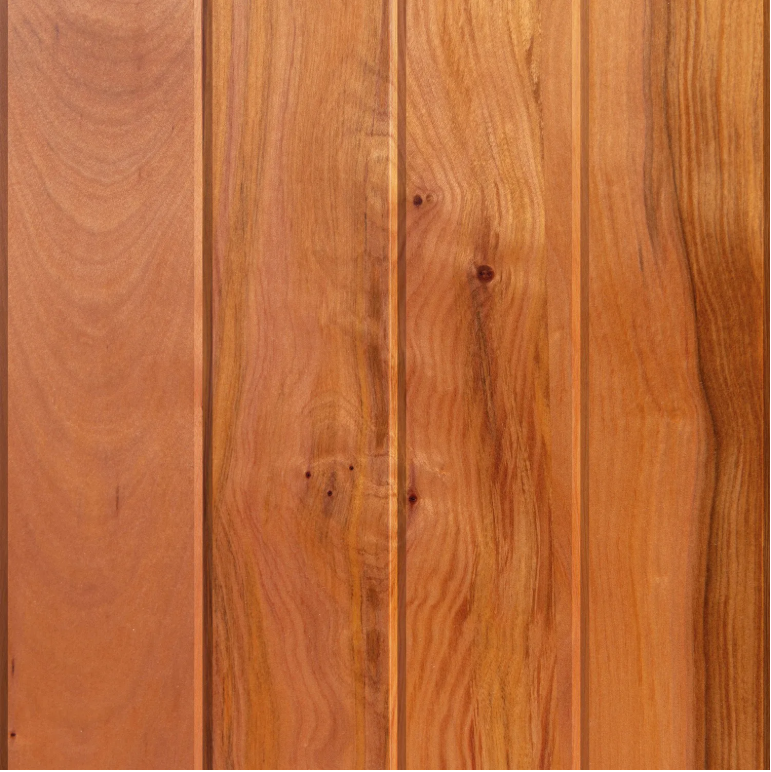
For projects where material authenticity matters, premium hardwood VJ panelling offers something manufactured boards cannot replicate. Species such as Tasmanian Myrtle are prized for their rich red, pink and brown tones, distinctive grain patterns and natural variation from board to board.
Hydrowood's Myrtle V-Joint is crafted from responsibly reclaimed Tasmanian Myrtle and designed for feature walls, ceilings and interior linings in both residential and commercial spaces. Featuring a secret nailing system for clean, concealed fixings, it combines the timeless appeal of VJ panelling with the warmth and character of solid Tasmanian timber.
Where can you use VJ panelling?
One of the reasons VJ panelling is so versatile is that it can be used throughout a home or commercial space.
Common applications include:
Feature walls: A VJ feature wall can become a focal point in living rooms, bedrooms and entry spaces.
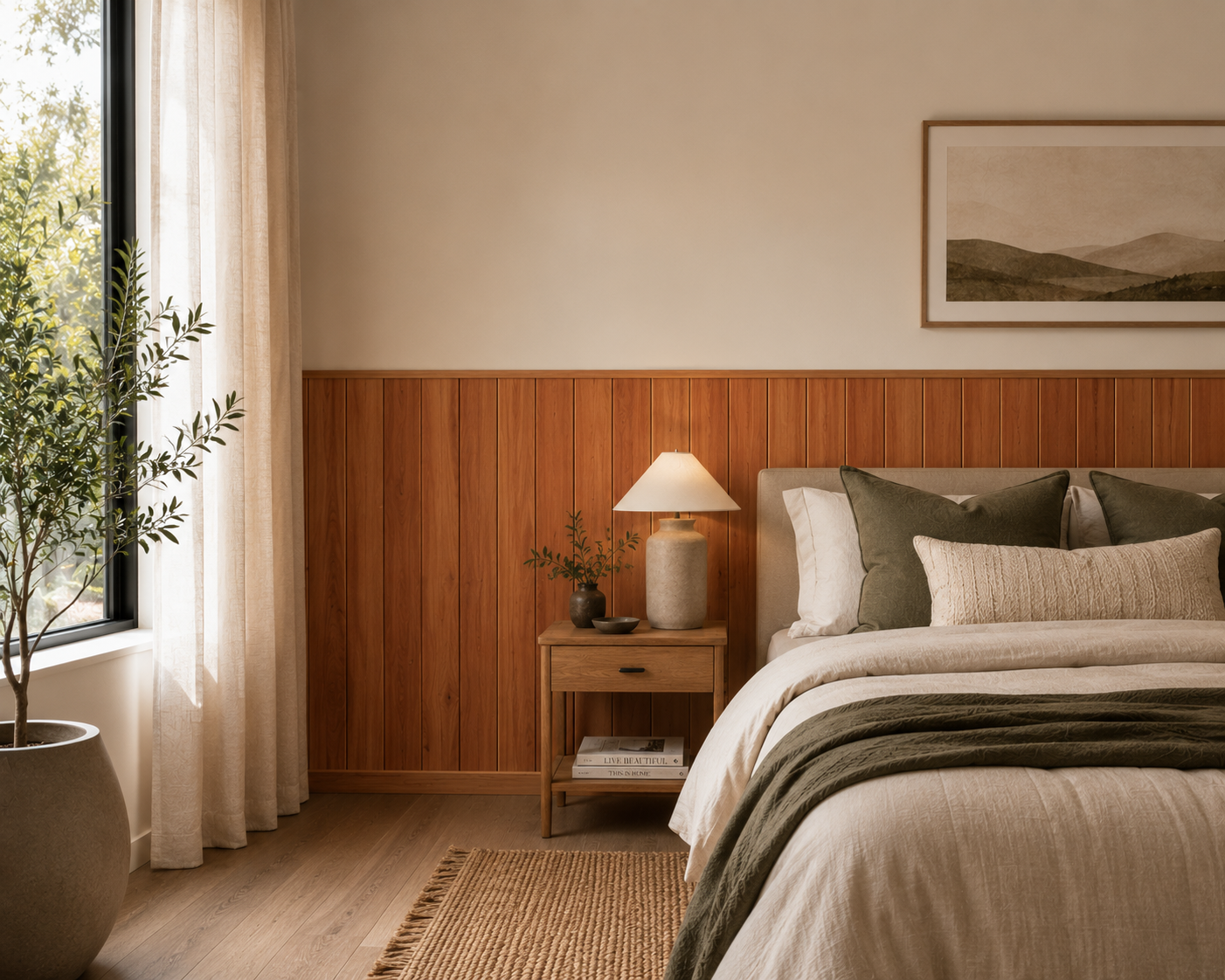
Half walls: Half-height VJ panelling introduces texture and detail while maintaining an open feel.
Ceilings: Installing VJ panelling on ceilings creates visual warmth and can make a space feel more refined and considered.
Hallways and stairwells: VJ panelling can break up large wall surfaces and add architectural interest to transition spaces.
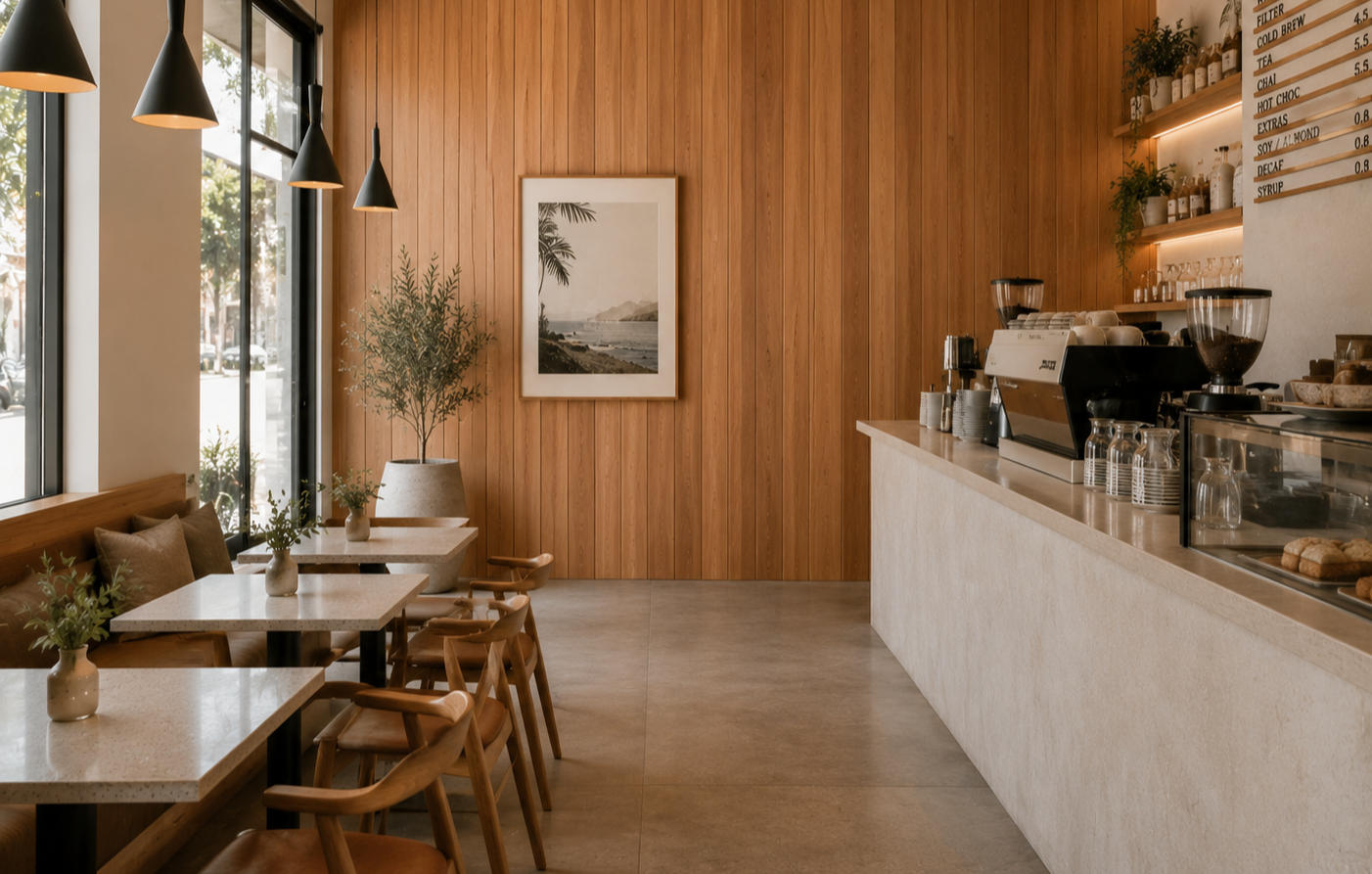
Commercial interiors: Cafes, restaurants, accommodation projects and workplaces often use VJ panelling to create inviting and memorable environments.
Hydrowood's Myrtle V-Joint is specifically designed for feature walls, ceilings and internal panelling applications, making it suitable for both residential and commercial projects.
Can VJ panelling be installed over plaster?
Yes, in most cases, VJ panelling can be installed over existing plaster walls.
The installation method depends on factors such as wall condition, material and the product being used. Some installations require battens or framing, while others may allow direct fixing.
Because installation requirements vary between products and projects, it is important to follow manufacturer recommendations and consult an experienced installer where necessary.
Can VJ panelling be used on ceilings?
Yes, absolutely. VJ panelling is commonly installed on ceilings to add warmth, texture and visual interest. Ceiling applications work particularly well in living areas, bedrooms, hospitality spaces and commercial fit-outs.
Natural timber linings can be especially effective on ceilings because they introduce colour variation and organic texture that painted surfaces cannot.
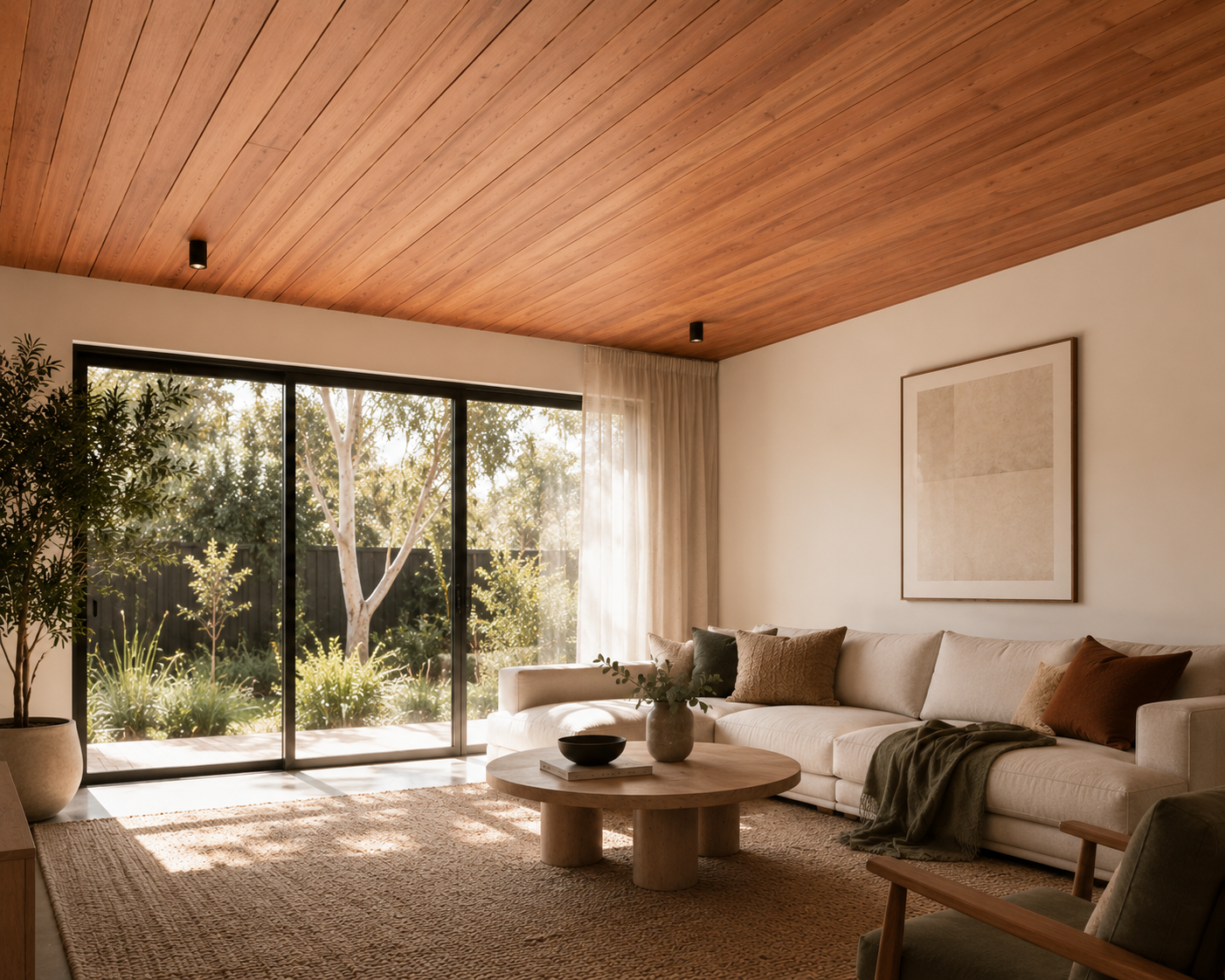
Myrtle VJ panelling can be used for ceilings to bring warmth and texture to a space.
How do you paint VJ panelling?
Truthfully? We'd never recommend painting over beautiful hardwood timbers like Tasmanian Myrtle.
The rich red, pink and brown tones, distinctive grain patterns and natural variation are what make these species so special. Covering them with paint means losing much of the character that can't be replicated with manufactured products.
That said, some VJ panelling products are designed to be painted. The process typically involves:
• Preparing the surface
• Filling and sanding where required
• Applying a suitable primer
• Applying topcoats in the chosen finish
White and soft neutral colours remain popular choices for painted VJ panelling, while darker shades can create a more dramatic, sophisticated look.
For premium solid timber products such as Hydrowood's Myrtle V-Joint lining boards, many designers instead opt for a clear finish that protects the timber while allowing its natural beauty to become a feature of the space.
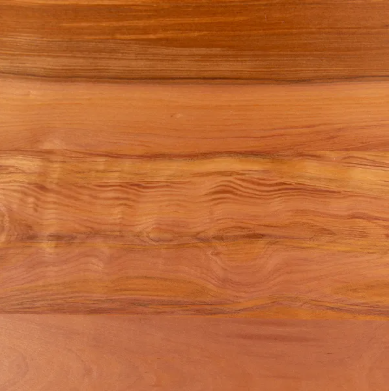
A Hydrowood myrtle board showing variation in colour, figure and grain.
Why choose natural timber VJ panelling?
There is an unmistakable difference between a product that looks like timber and one that actually is timber.
Natural timber provides:
Genuine grain and colour variation
Warmth and texture
Long-term durability
A unique finish that cannot be repeated
A material connection to place and provenance
Hydrowood's Myrtle V-Joint also carries a story that extends beyond appearance.
The Tasmanian Myrtle used by Hydrowood has been responsibly reclaimed and carefully milled for architectural applications. Every board carries the natural character of Tasmanian hardwood and the individuality that only real timber can offer.
For designers and homeowners seeking something authentic and enduring, that provenance becomes part of the appeal.
Frequently asked questions about VJ panelling
What does VJ stand for?
VJ stands for ‘vertical joint’ but is characterised by the V-shaped groove formed between adjoining boards.
Is VJ panelling expensive?
Costs vary depending on the material selected. MDF panels are generally more affordable, while solid timber products represent a premium finish that delivers natural character and longevity.
Is VJ panelling still in style?
Yes, VJ panelling remains one of Australia's most enduring interior finishes because it works equally well in heritage, coastal and contemporary homes.
Can VJ panelling be used in commercial projects?
Yes, VJ panelling is widely used in hospitality, retail and workplace environments to create warmth and architectural interest.
Discover the character of Tasmanian Myrtle
VJ panelling is ultimately about adding depth, texture and personality to a space.
For projects where material authenticity matters, solid timber brings another dimension entirely. Hydrowood's Myrtle V-Joint combines the timeless appeal of VJ panelling with the warmth, grain and colour variation of Tasmanian Myrtle, creating interiors that feel distinctive, refined and genuinely connected to natural materials.
Whether you're creating a feature wall, lining a ceiling or designing an entire interior, choosing real timber can transform VJ panelling from a decorative finish into an architectural feature with lasting character.
Hydrowood supplied a range of premium Tasmanian timber products Australia wide. Reach out to our team for more information about how accessing Hydrowood timber products.