
A Complete Guide to Reclaimed Tasmanian Myrtle Timber
Tasmanian Myrtle is one of the most recognisable and admired timbers in Australia. Designers, architects and makers often ask the same questions. What colour is myrtle? How does it work? Where does it come from? And what makes Hydrowood Myrtle different? This guide answers those questions and brings together everything you need to know to specify Tasmanian Myrtle timber with confidence.
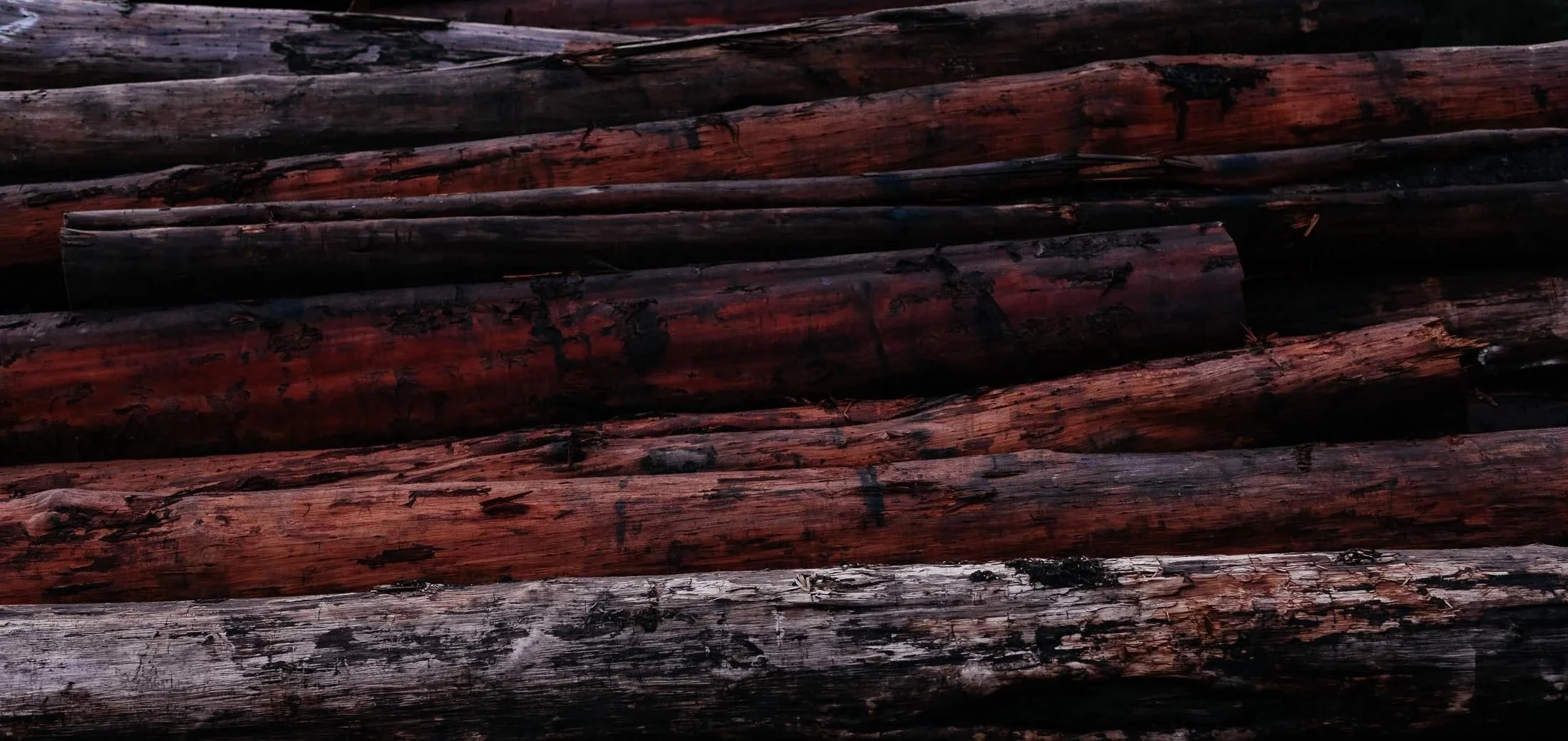
What colour is Myrtle?
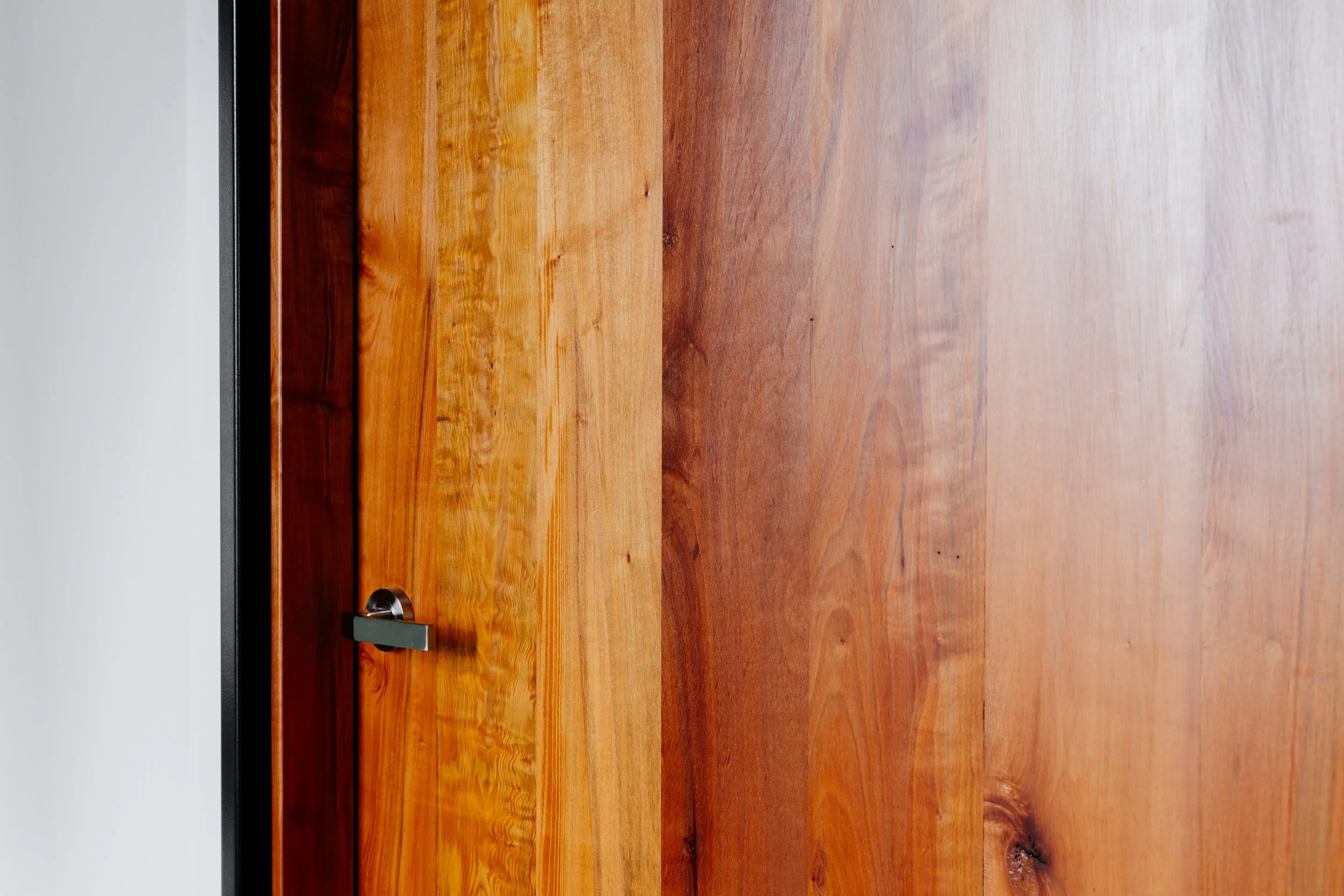
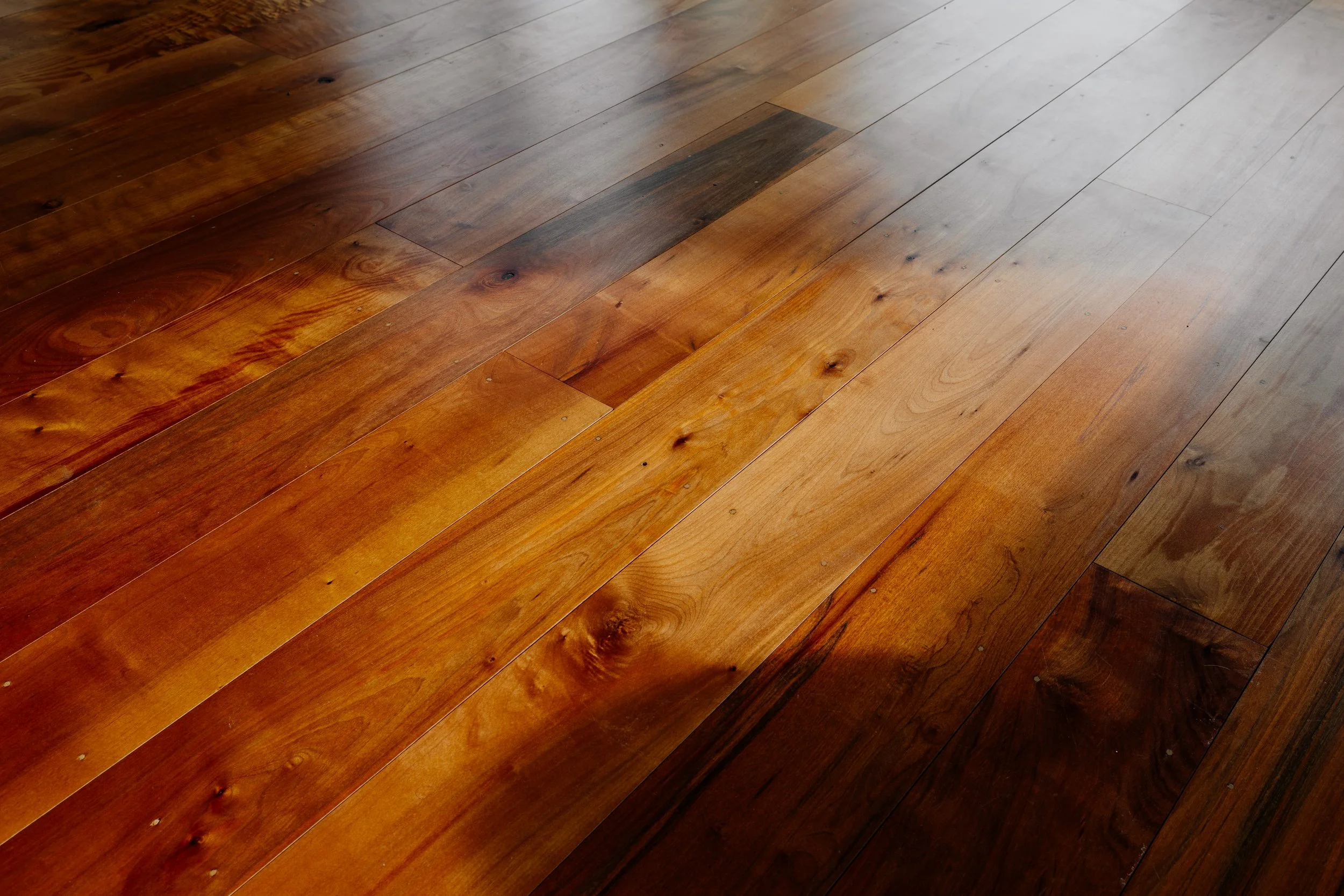
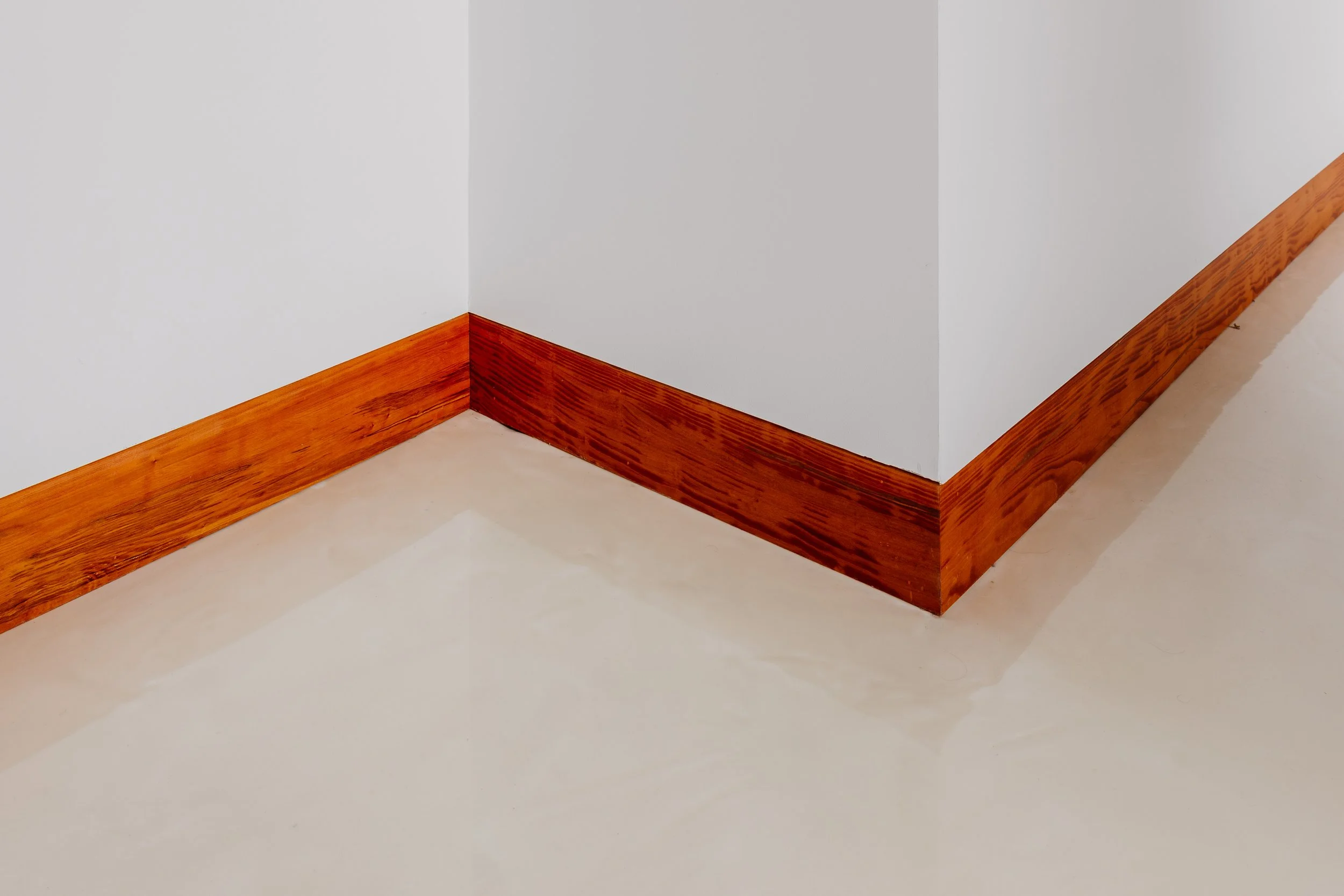
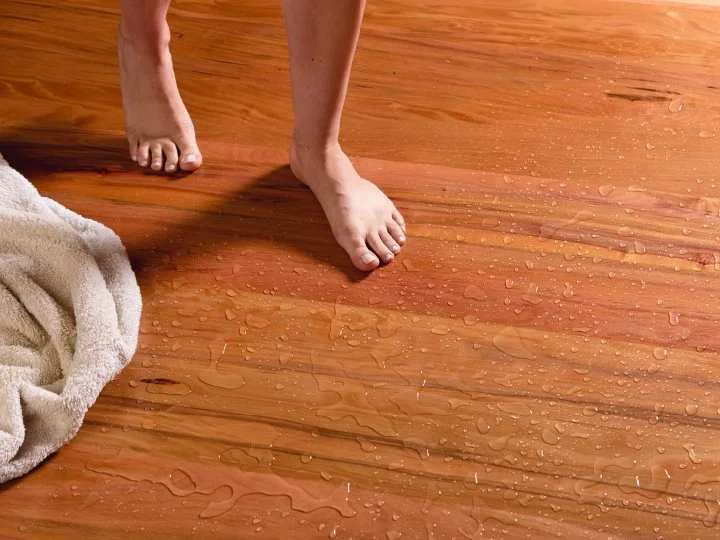
Tasmanian Myrtle is renowned for its rich colours, ranging from soft pinks and deep reds to warm tans and russet tones. No two boards are the same, giving designers the opportunity to showcase natural variation that feels both organic and refined.
The timber often features striking figure and fiddleback, adding movement and character to cabinetry, furniture, panelling and architectural details. Its smooth texture takes a finish beautifully, allowing the colour and grain to stand out in both contemporary and traditional designs.
Because of its visual warmth, myrtle is a favourite for spaces that call for comfort, tactility and a sense of craftsmanship. From residential interiors to commercial fit-outs, it offers a unique balance of beauty and versatility.
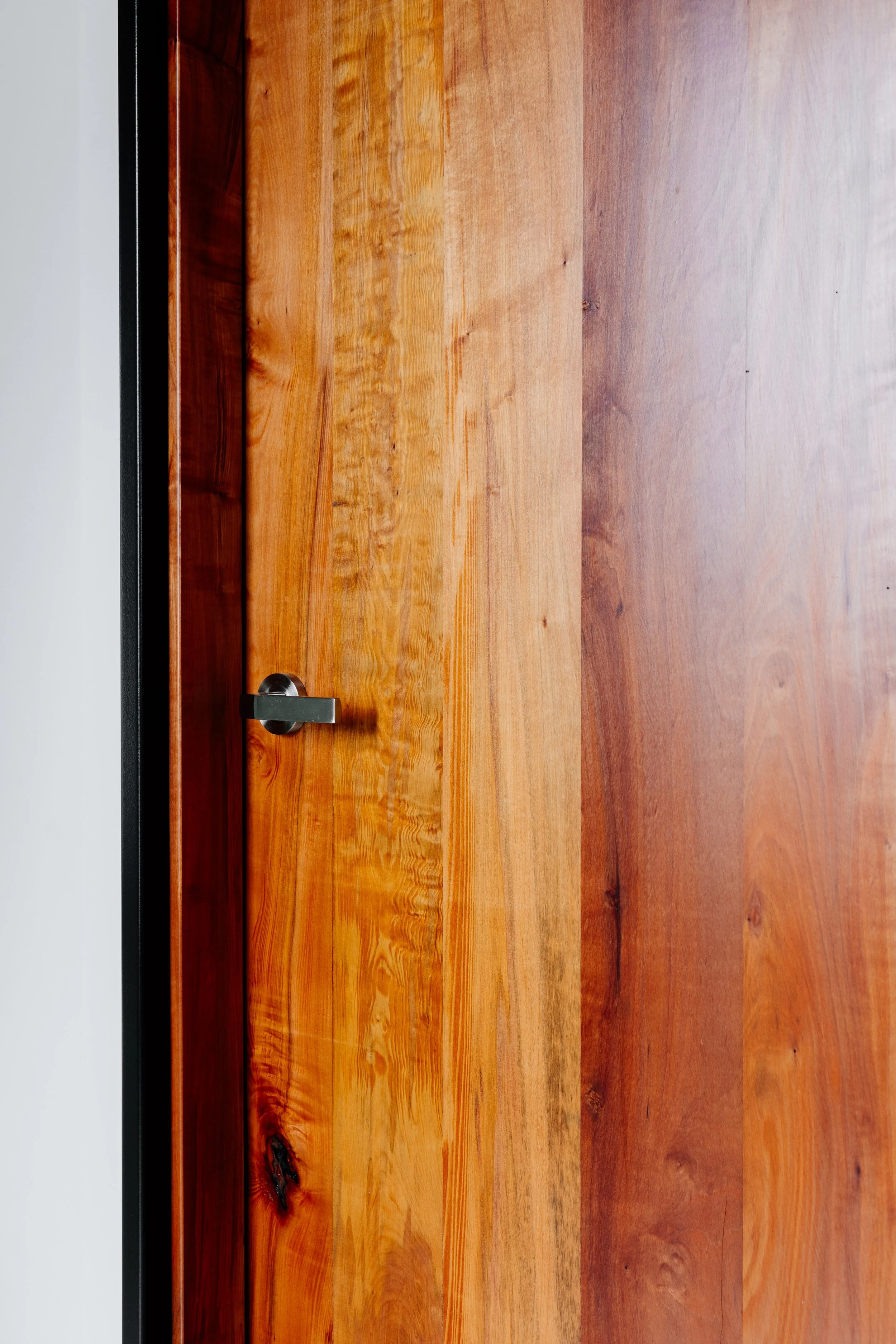
The Colour, Figure and Beauty of Myrtle Timber in Design
Tasmanian Myrtle is the dominant species in the island’s cool temperate rainforests and is known for its distinctive grain and versatility. The timber is even-textured with a fine grain that may be straight, lightly interlocked or display the highly prized fiddleback pattern. Myrtle can also form knotty sections and burls, both sought after by furniture makers for their sculptural qualities and strong visual impact.
Hydrowood Myrtle is valued for the quality of its finish. Its fine grain sands and polishes to a smooth, refined surface, making it ideal for veneers, feature panelling and detailed joinery. The timber responds well to a range of finishing techniques and maintains clarity and depth once sealed.
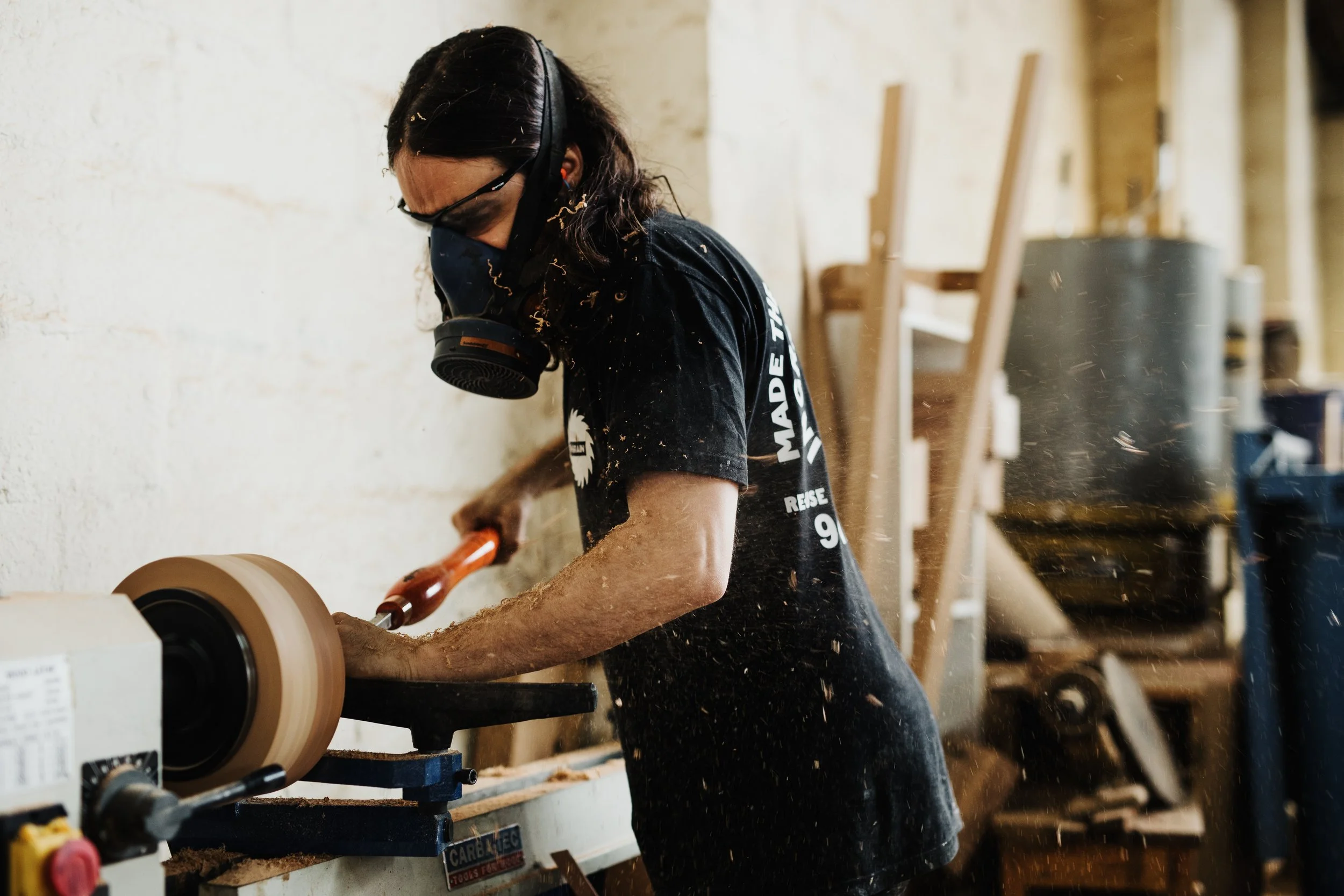
Its workability also makes Myrtle suitable for steam bending, turning and traditional spindle work. It remains a reliable choice for fine furniture and crafted pieces that require precision and high-quality detail.
Typical design uses include:
• High-end cabinetry and joinery
• Wall and ceiling panelling
• Residential and commercial feature elements
• Fine furniture and custom interiors
• Sculptural, turned and crafted pieces
Tasmanian Myrtle timber delivers a balance of character, workability and finish quality that suits a wide range of contemporary and traditional design applications.

Technical Qualities of Hydrowood Myrtle Timber
Hydrowood Myrtle carries all the traditional strengths of Tasmanian Myrtle, combined with the remarkable stability created by years submerged in Lake Pieman. Recovery from deep, cool water preserves the timber and reduces stress within the log, producing a very stable, high-quality product once processed.
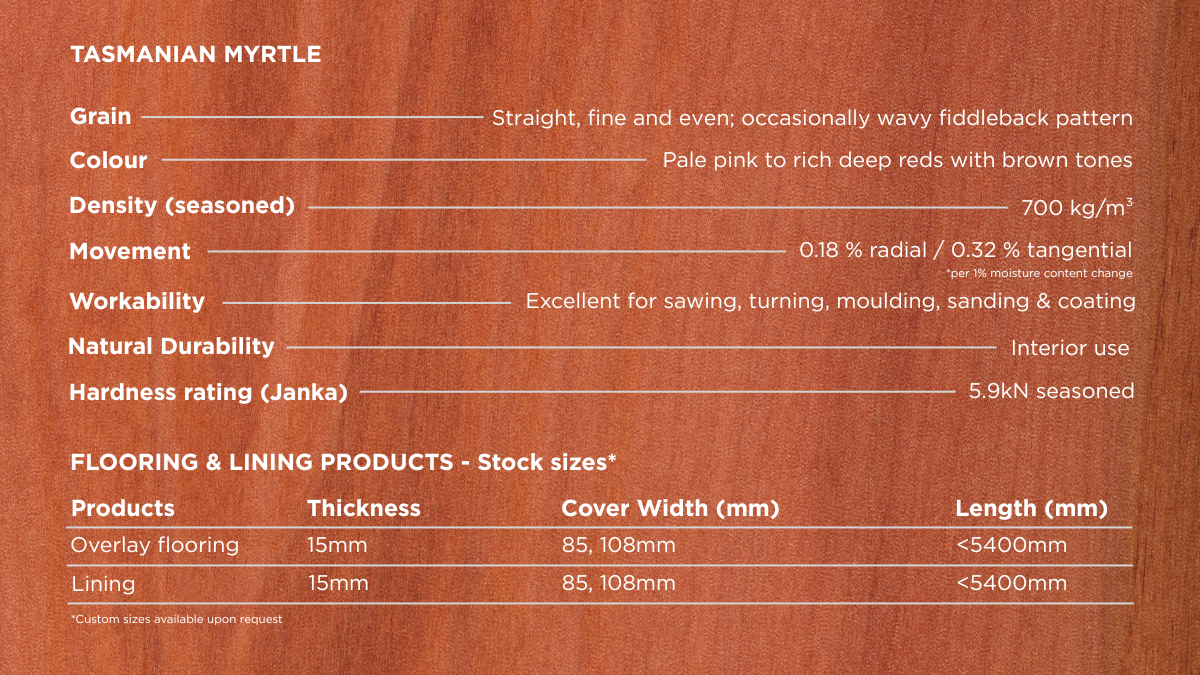
Below is a technical overview.
What Makes Tasmanian Myrtle Timber Unique
Tasmanian Myrtle, also known as Myrtle Beech (Nothofagus cunninghamii), grows in the cool temperate rainforests of western Tasmania. It is considered one of the island’s most treasured specialty timbers thanks to its density, stability, fine texture and natural depth.
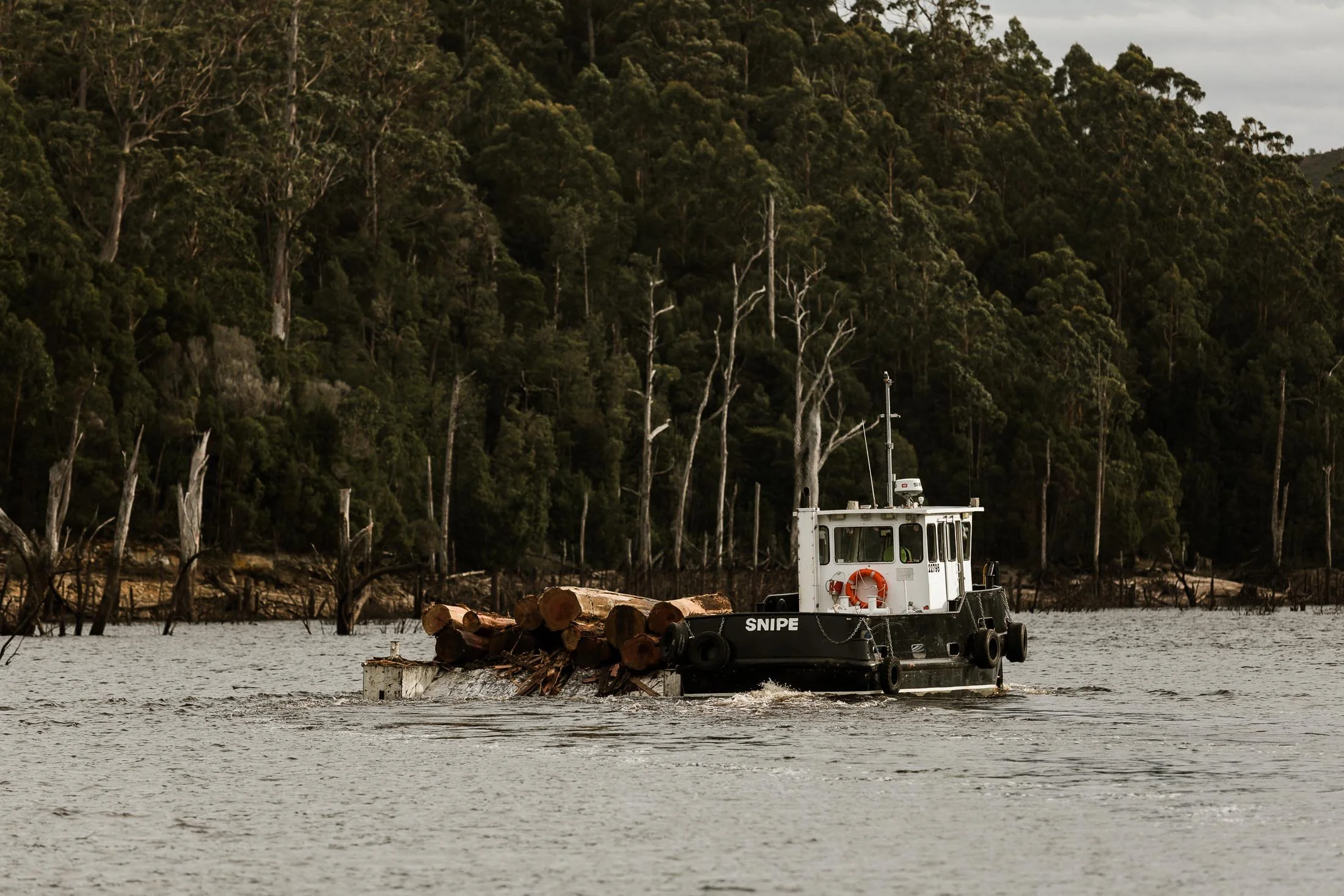
In the 1980s, sections of the Pieman River valley and surrounding rainforest were flooded to create Lake Pieman, leaving stands of old-growth Tasmanian Myrtle submerged and inaccessible for decades. Those submerged forests remained untouched for decades until Hydrowood developed a world-first method of sustainably recovering rare timbers from beneath the water.
Hydrowood Myrtle is reclaimed timber with genuine provenance. Preserved in cold, oxygen-poor water, the logs remain straight and remarkably stable, producing high-quality Tasmanian Myrtle timber with beautiful colour and outstanding workability.
Projects Featuring Hydrowood Myrtle
Hydrowood Myrtle has been chosen for a number of significant Tasmanian and Australian projects where craftsmanship and storytelling matter.
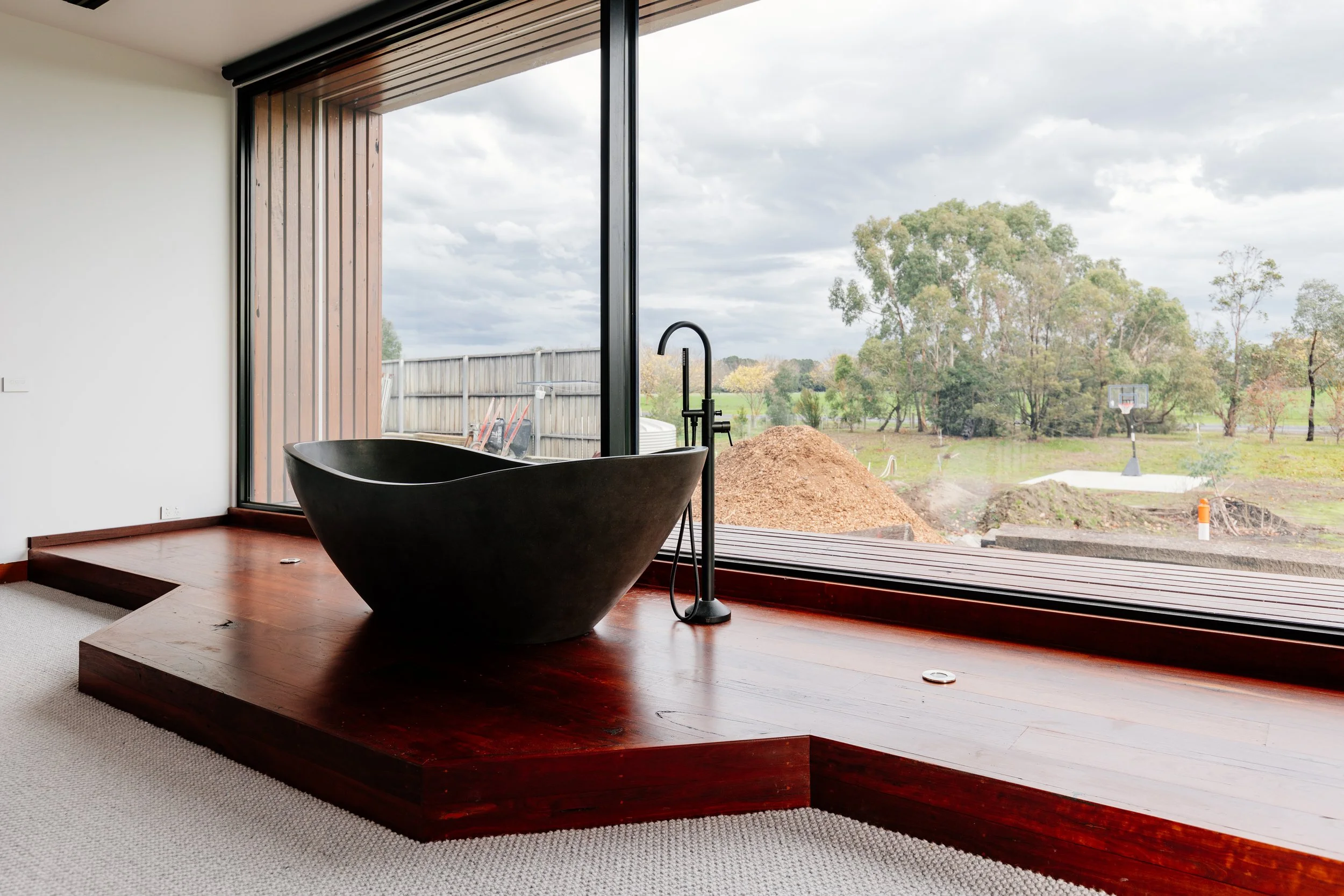
Examples include the fit-out of the RACT’s Spirit of the Wild catamaran and an exciting ongoing project with Hobart’s Mona — Museum of Old and New Art.
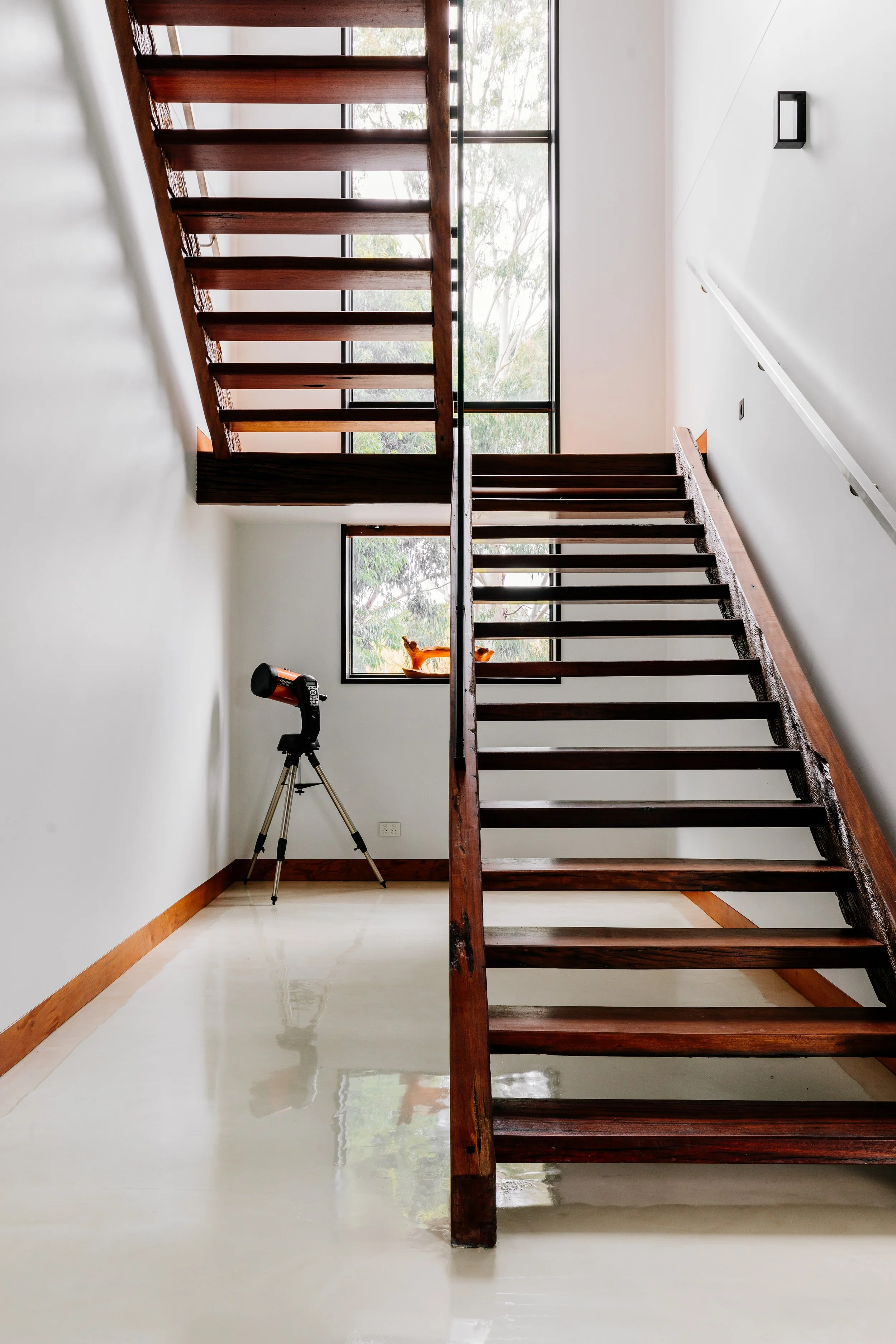
Architects and makers have used Hydrowood Myrtle in private residences, commercial interiors, bespoke furniture, public spaces and craft pieces that highlight the beauty of reclaimed Tasmanian timber.
These projects demonstrate the timber’s enduring appeal and the unique aesthetic it brings to contemporary design.
How to Bring Hydrowood Myrtle Into Your Project
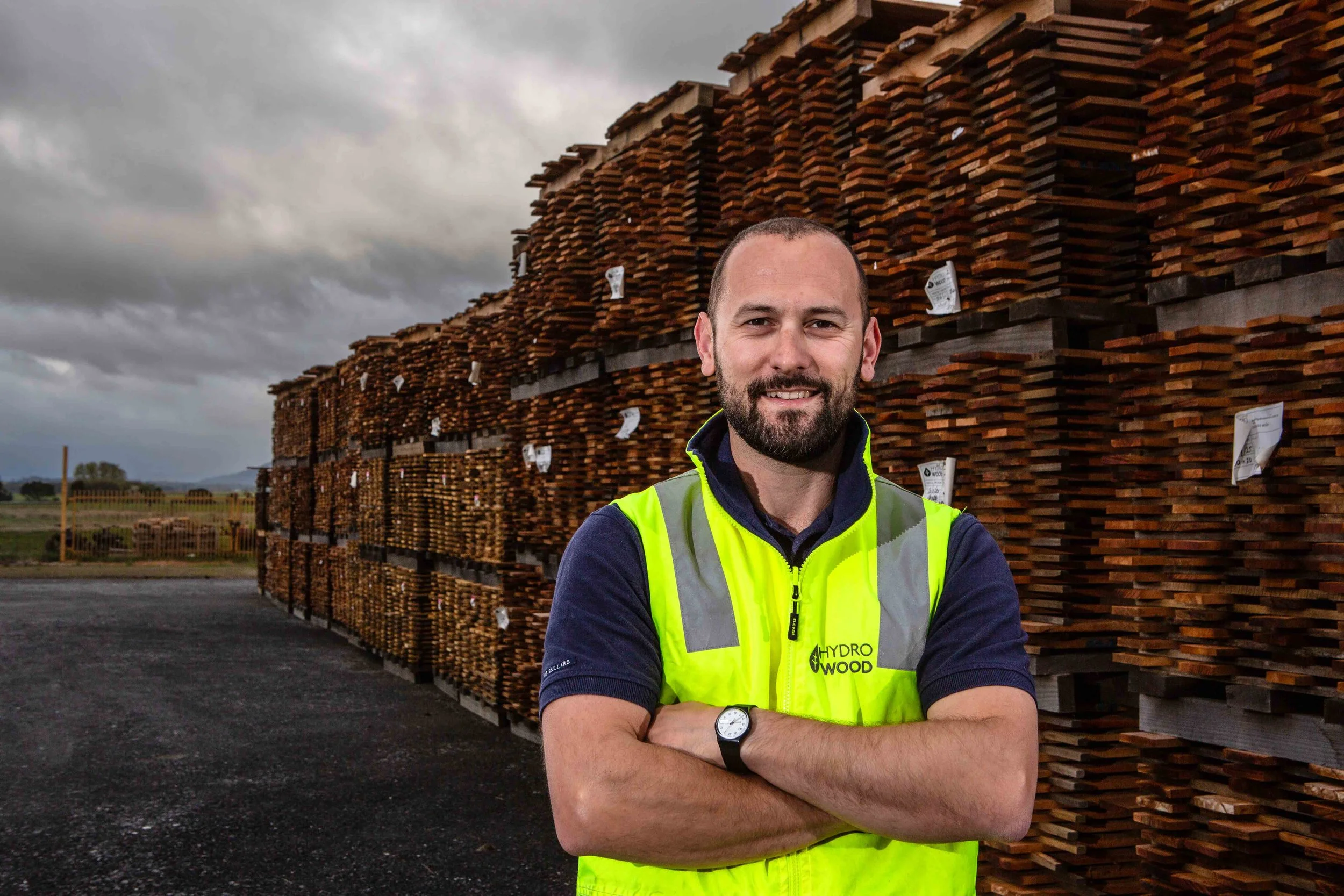
Hydrowood Myrtle is available through a network of distribution partners across Australia, including Bowens in Victoria. To specify Hydrowood:
Speak with your architect, designer or builder about selecting Tasmanian Myrtle timber from Hydrowood.
Contact the Hydrowood team directly for guidance on species selection, availability and suitable applications.
Purchase through our trusted distributors to ensure genuine Hydrowood timber reaches your project.
If you are planning a build or fit-out and want to explore Hydrowood Myrtle for your space, we are here to help.