
Tasmanian Wood Types for Flooring: A Guide to Choosing the Right Timber
Tasmania is home to some of Australia’s most distinctive timber species. From the pale, understated tones of Tasmanian Oak to the deep reds of Myrtle, different Tasmanian wood types can create remarkably different floors.
Choosing between them is about more than colour. Grain, hardness, natural variation and the overall character of the timber all influence how a floor looks and performs over time.
For architects, designers, builders and homeowners considering timber flooring, understanding these differences can help narrow down the right species for a project.

Hydrowood timber flooring.
Why choose Tasmanian timber for flooring?
Timber flooring has a significant influence on an interior. It covers a large surface area, connects rooms and establishes a material palette that can inform everything from cabinetry and furniture to wall colours and finishes.
Tasmanian timbers offer considerable choice within that palette.
Some species are light and relatively uniform. Others have pronounced colour variation, darker grain or figuring that makes the floor a stronger feature of the space.
Many Tasmanian species are also hardwoods with a long history of use in flooring, furniture, joinery and architecture.
Hydrowood adds another dimension to that story. Its timber is reclaimed from the forests submerged beneath Lake Pieman on Tasmania's west coast, where trees have remained preserved in the cold, low-oxygen water since the lake was created in the 1980s.
So, which Tasmanian wood types should you consider for flooring?
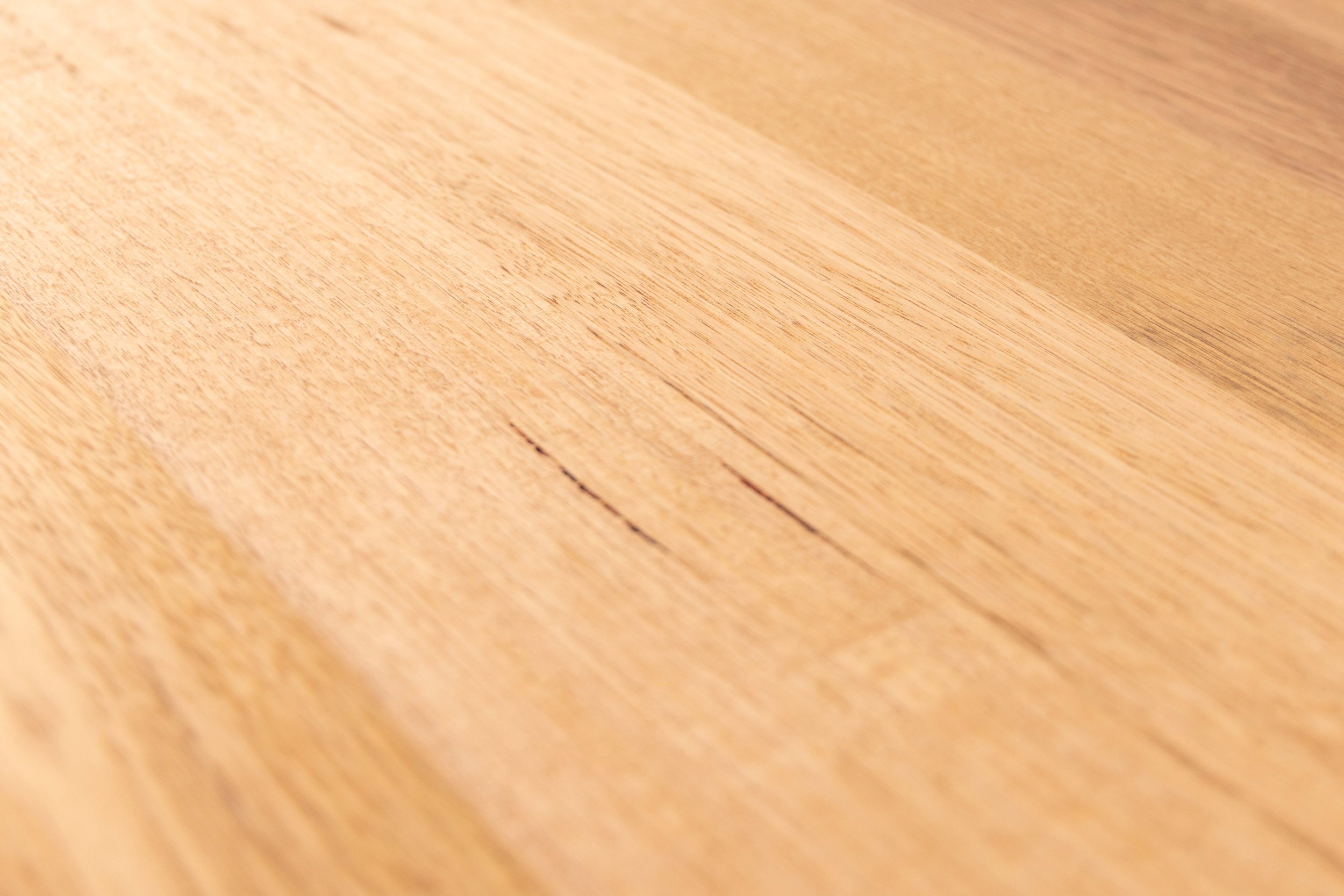
Hydrowood Oak flooring.
Tasmanian Oak: light, versatile and enduring
Tasmanian Oak is one of Australia's best-known flooring timbers, and for good reason.
Its relatively light colour makes it particularly versatile, ranging from pale straw and cream through to warmer honey and light brown tones. The grain is generally straight and even, creating a floor that brings the natural texture of timber into an interior without necessarily dominating it.
That makes Tasmanian Oak flooring well suited to contemporary residential and commercial interiors and projects where designers want flexibility across the broader material palette.
Hydrowood Oak is Tasmanian Oak reclaimed from Lake Pieman. It offers the familiar appearance and performance associated with the timber, with the additional provenance of a reclaimed Tasmanian resource.
Consider Tasmanian Oak flooring if you want: a lighter, versatile timber with a relatively consistent appearance and natural warmth.
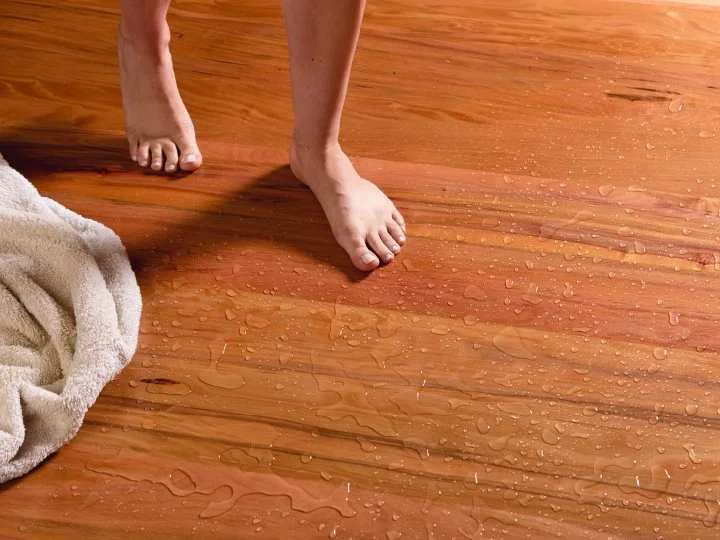
Hydrowood Myrtle flooring.
Tasmanian Myrtle: rich colour and character
At the other end of the spectrum is Tasmanian Myrtle.
Myrtle is known for its rich colour, which can range through pink, red and brown tones. Its fine grain and natural variation can create a floor with considerably more visual depth than a pale timber species.
Rather than sitting quietly within an interior, Myrtle flooring can become an important part of its identity.
This makes it particularly suited to spaces where warmth and material richness are central to the design. Depending on the surrounding finishes, it can work equally well in contemporary interiors or spaces with a more traditional material palette.
Hydrowood Myrtle is available in flooring profiles, including solid and overlay timber flooring options.
Consider Myrtle flooring if you want: richer colour, natural variation and a floor that contributes strongly to the character of an interior.
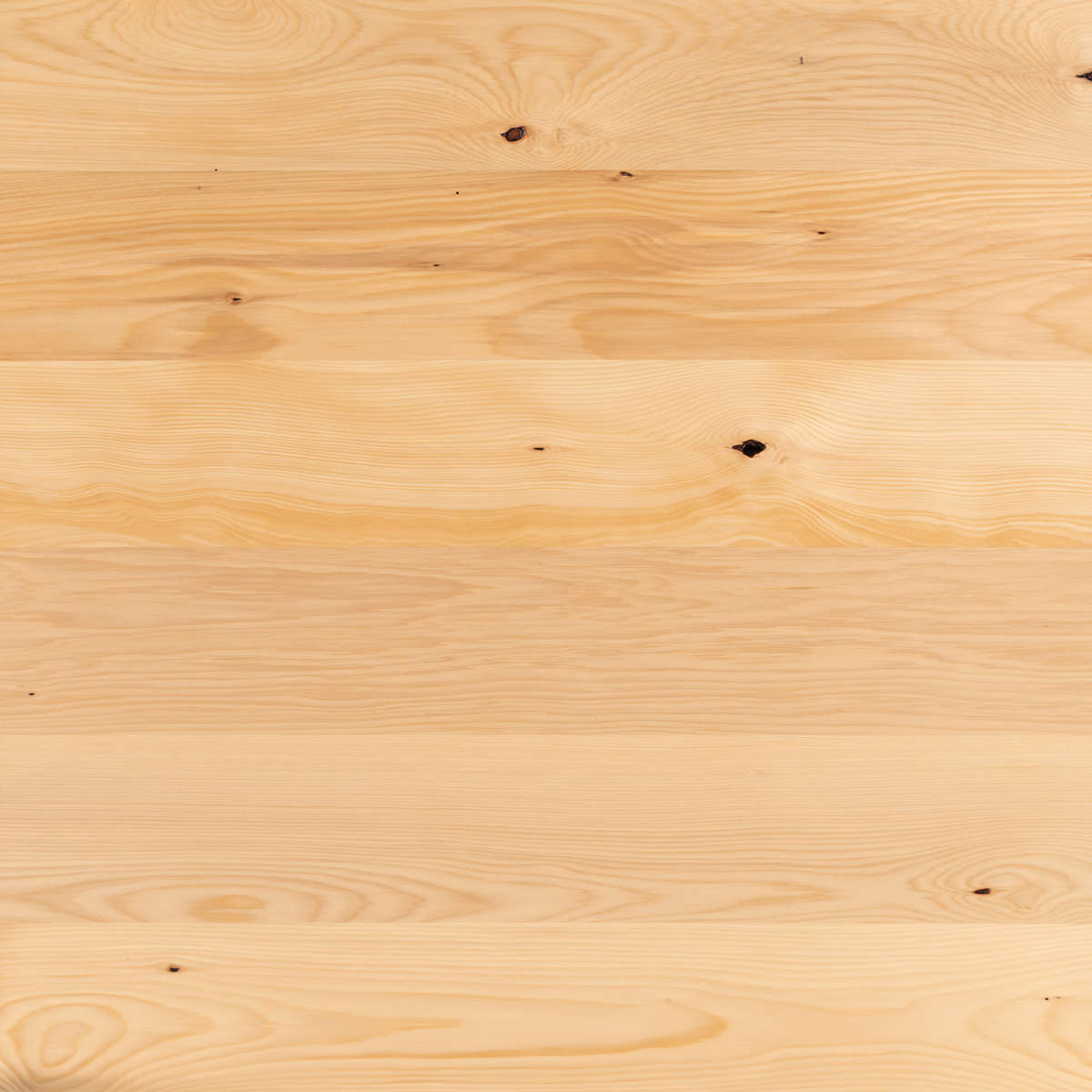
Hydrowood celery to pine.
Celery Top Pine: golden tones and fine grain
Despite its name, Celery Top Pine is a dense Tasmanian timber with a long history of use in demanding applications, including boat building, joinery and flooring.
Freshly cut Celery Top Pine is generally white to pale straw in colour, developing warmer golden tones as it ages. Its grain is straight, fine and even, giving it a clean appearance that works particularly well where a designer wants warmth without the deeper reds and browns associated with species such as Myrtle.
It is also a timber that changes subtly over time as its colour develops.
For interiors where the flooring needs to complement rather than compete with other materials, Celery Top Pine offers an interesting alternative to more commonly specified Australian flooring timbers.
Consider Celery Top Pine flooring if you want: a fine, even grain, pale-to-golden colouring and a distinctly Tasmanian species.

A variety of contrasting timber species and colours used together.
What about Tasmanian Blackwood and Sassafras?
Tasmanian Blackwood and Sassafras are two of Tasmania's most recognisable specialty timbers, but choosing a timber species should always begin with the intended application rather than appearance alone.
Blackwood is prized for its warm colour, grain and workability, while Sassafras can range from relatively subtle golden timber through to dramatically streaked material.
Both can play an important role in an interior through joinery, furniture, cabinetry, wall linings and other architectural details.
This also creates the opportunity to use different Tasmanian wood types together. A flooring species can establish the foundation of the material palette, with complementary or contrasting species introduced elsewhere in the space.
A lighter Hydrowood Oak floor, for example, can provide a neutral foundation for richer Tasmanian timber used in cabinetry or furniture.
How to choose the right timber flooring species
There isn't one Tasmanian timber that will be right for every floor.
Start by considering the overall effect you want the flooring to have within the space.
Colour: Do you want a pale and neutral foundation, warmer golden tones or richer reds and browns?
Variation: Some projects benefit from relatively consistent boards, while others embrace natural shifts in colour and grain.
Character: Should the floor sit quietly within the material palette or become one of the defining features of the interior?
Application: Residential and commercial projects can place different demands on flooring. Species, profile, installation method and finish should all be considered together.
Other timber elements: If the project includes timber cabinetry, wall lining, furniture or architectural joinery, consider how those species will interact with the floor rather than selecting each element independently.
Samples can be particularly valuable at this stage. Timber is a natural material and viewing it physically provides a much better understanding of its grain, colour and variation than selecting from an image alone.
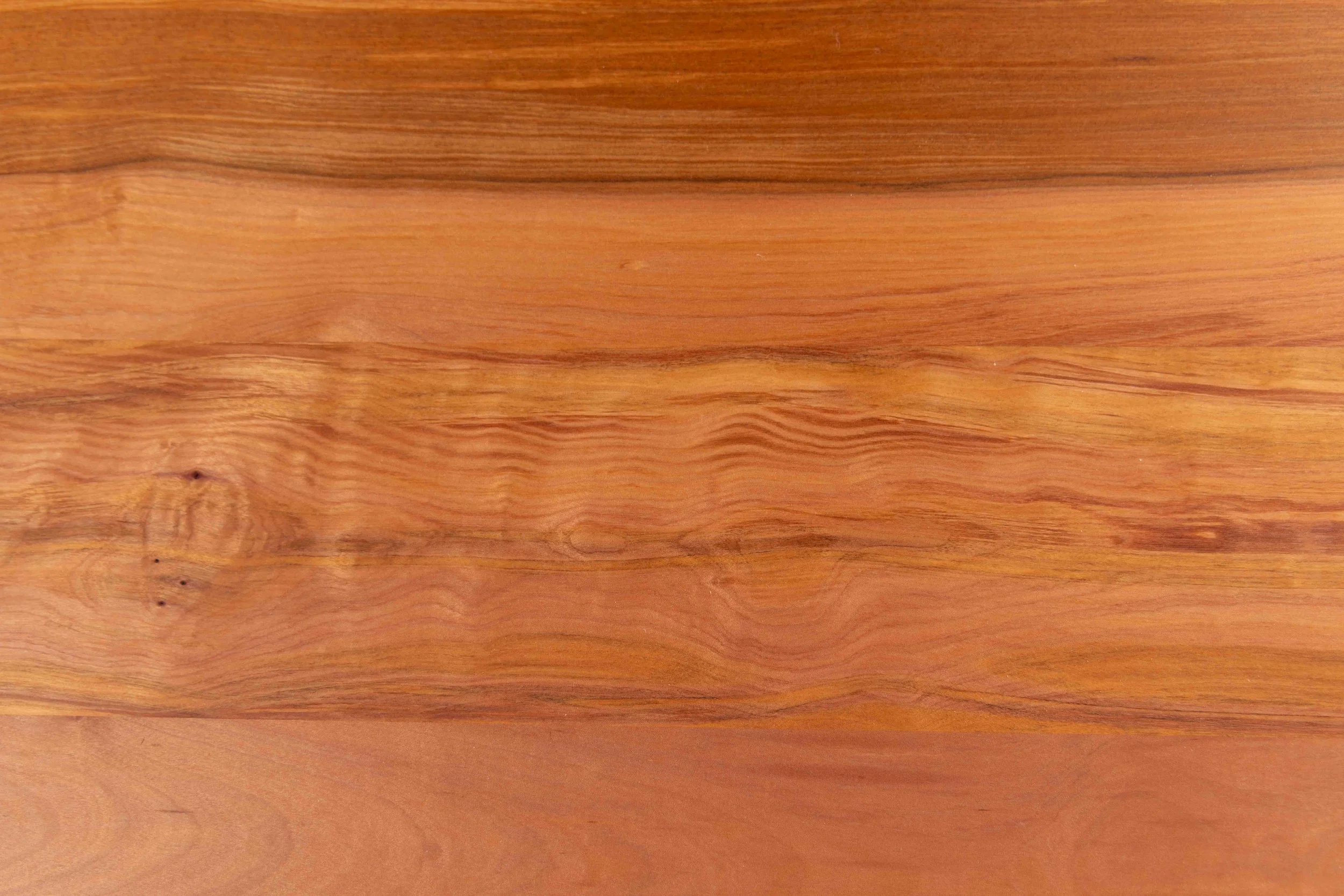
Hydrowood solid myrtle timber flooring.
Solid or overlay timber flooring?
Species is only one part of choosing a timber floor. The flooring format also needs to suit the project.
Solid timber flooring uses boards manufactured from solid timber throughout their thickness. Depending on the product and installation system, it can be installed over an appropriate subfloor or substrate.
Overlay timber flooring uses a thinner solid timber profile designed to be installed over a suitable structural substrate. It can be useful where floor height and construction methodology need to be carefully considered.
The appropriate option will depend on the building, substrate, flooring specification and installation requirements.
For architects and builders, resolving these details early can help ensure the chosen timber works with the broader construction system rather than requiring compromises later in the project.
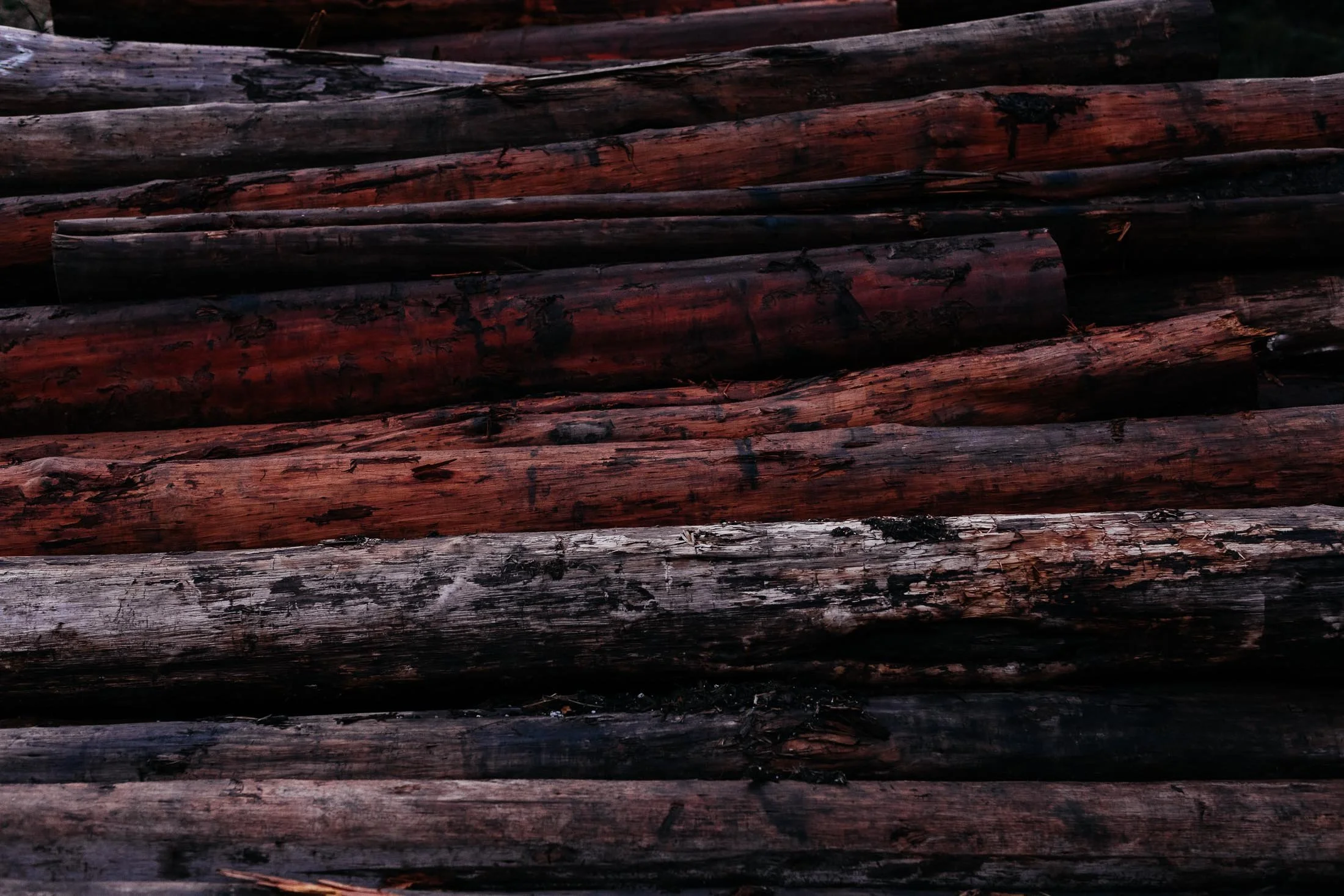
Trees reclaimed from Lake Pieman on Tasmania’s west coast.
Reclaimed Tasmanian timber underfoot
Hydrowood offers another way to think about Tasmanian timber flooring.
When the Pieman River was dammed in the 1980s, areas of Tasmania's temperate rainforest were submerged beneath the newly created Lake Pieman. Rather than harvesting standing forests, Hydrowood recovers this existing timber resource from beneath the lake.
The recovered logs are brought to the surface before being processed and kiln dried for use in contemporary architecture, interiors, furniture and flooring.
The result is Tasmanian timber with genuine provenance. Every floor carries the natural colour and grain of its species alongside the story of where that timber came from.
Find the right Tasmanian timber for your floor
The diversity of Tasmanian wood types means timber flooring doesn't have to be a choice between simply "light" or "dark".
Tasmanian Oak can provide a versatile and understated foundation. Myrtle introduces richer colour and variation. Celery Top Pine offers fine grain and golden tones. Other specialty Tasmanian species can then be introduced through joinery, furniture and architectural details to create a broader material story.
Hydrowood supplies reclaimed Tasmanian timber for residential, commercial and architectural projects across Australia.
Explore our Tasmanian timber species or contact the Hydrowood team to discuss flooring options, availability and the right timber for your project.